
Career
Career orientation
Job market
Salary information and income survey
Academy
Mentoring
Education
Learners and trainees
Students and doctoral candidates
Teachers
University statictics
Scholarships
Community
Divisions
Local Sections
Regular's table
Chem_Connect
Equal opportunities, diversity
International activities and cooperations
Membership
Discover
Top topics
Nachrichten aus der Chemie
Brochures and scientific publications
Fascination with chemistry
Statements and position papers
Press releases
Events
Conferences
Local events
Academy
Awards
Prizes
Historical sites of chemistry
About
Board and other bodies
Office
Statutes
Angewandte Chemie and Chemistry Europe
Foundations
ChemRXiv
Paul-Crutzen Award
The GDCh Division of Environmental Chemistry & Ecotoxicology has been awarding a prize for an outstanding scientific publication by young scientists in the field of environmental chemistry and ecotoxicology since 2000. The prize was named in 2011 after Paul J. Crutzen, who was honoured with the Nobel Prize in Chemistry in 1995 for his work on research into the ozone hole. The award is usually presented annually and comes with a certificate, prize money of 1000 euros and a one-year free membership of the Division. Since 2023, Bayer has donated the prize money.
Deadline: 30 April 2026
Objective
The Division of Environmental Chemistry & Ecotoxicology of the German Chemical Society (GDCh) usually awards the Paul-Crutzen Award once a year in recognition of an outstanding original publication by young scientists in the field of environmental chemistry and ecotoxicology in a peer-reviewed scientific journal.
The prize
The award includes a certificate, prize money of 1000 euros donated by the Bayer company and a one-year free membership of the Division Award. The prize will be awarded at the Division conference "Environment 2026", which will take place from 2 to 4 September 2026 in Essen . Following the award ceremony, the award-winning publication will be presented in a short lecture. The costs of attending the conference will be borne by the Divisions. A committee appointed by the Board of the Division will decide on the awarding of the prize.
Nomination/Application
Nominations can be made by the academic supervisor, but applications are also possible. The nominee or applicant must be the first or main author of the publication and should preferably hold a doctorate. The publication must have been published in the period 2024 to 2026 and no later than two years after completion of the doctorate. The informal proposal with a brief justification must be accompanied by a CV (including contact details), a list of publications, the publication itself and - in the case of an application - a letter of support from the academic supervisor.
Submission
Please send all documents summarised in a PDF file by e-mail to the GDCh Office for the attention of Maike Fries.
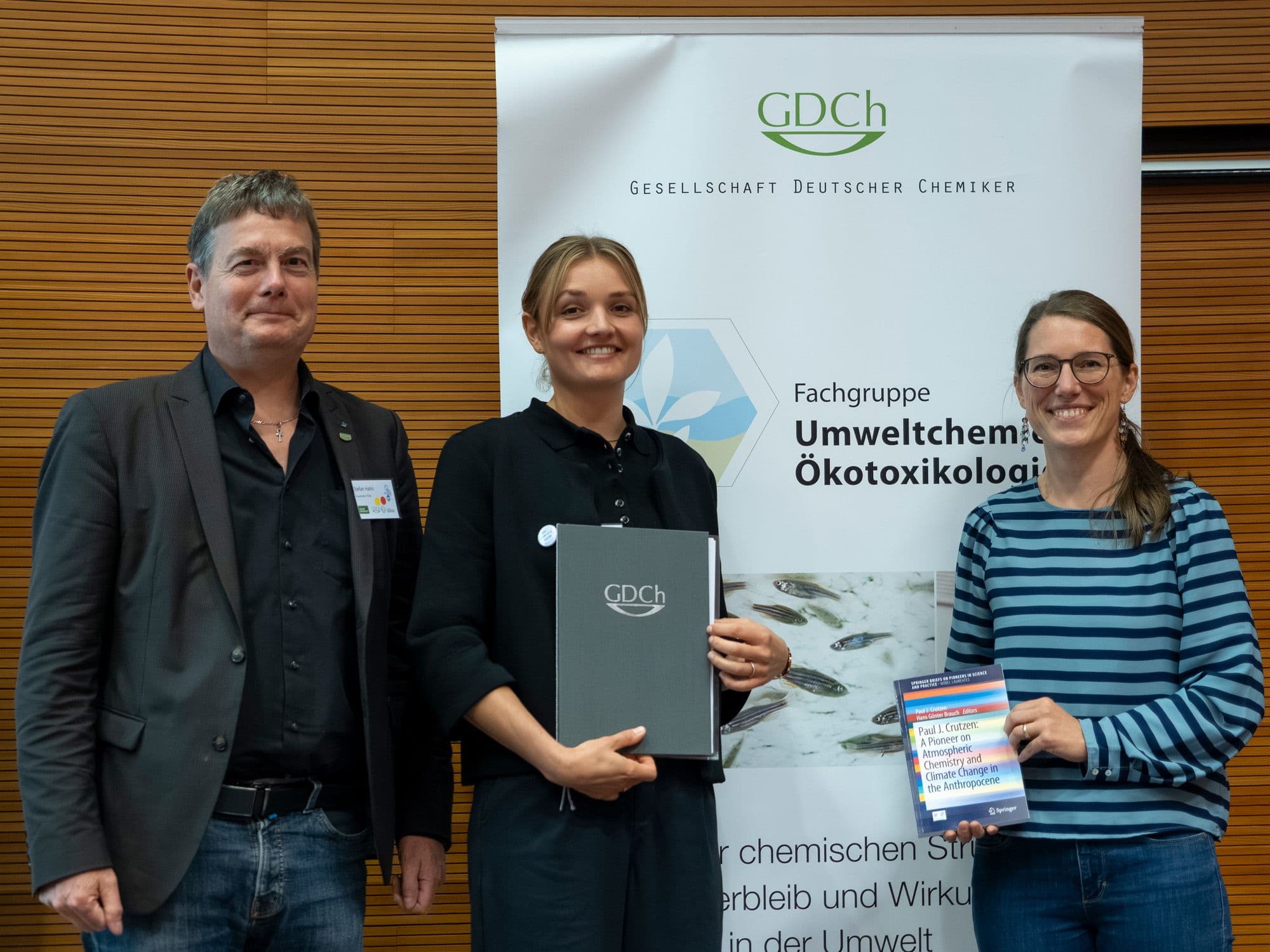
The Paul-Crutzen Award 2025 - donated by Bayer AG - was awarded to Dr Anna Magdalena Röhnelt on the occasion of the Division's annual conference "Environment 2025" on 23 September 2025. Anna Magdalena Röhnelt in recognition of the publication entitled "Glyphosate Is a Transformation Product of a Widely Used Aminopolyphosphonate Complexing Agent" (Nature Communications 2025, 16, 2438) produced as part of her doctoral thesis at the Eberhard Karls University of Tübingen:
"In her publication, Ms Röhnelt dealt with the environmental behaviour of aminopolyphosphonates (APPs), which are widely used as complexing agents in industry and private households. The low biodegradability of APPs means that they remain in sewage treatment plants in considerable residual concentrations despite partial removal by sorption to the sewage sludge. In her very comprehensive work, Ms Röhnelt investigated the mechanisms, kinetics and products of the transformation of APPs in the presence of manganese minerals. In addition to the impressive coverage of the complex transformation processes, an outstanding discovery was undoubtedly the detection of glyphosate as a stable transformation product. These results plausibilise recent reports pointing to municipal wastewater as a previously unrecognised source of glyphosate in European surface waters."
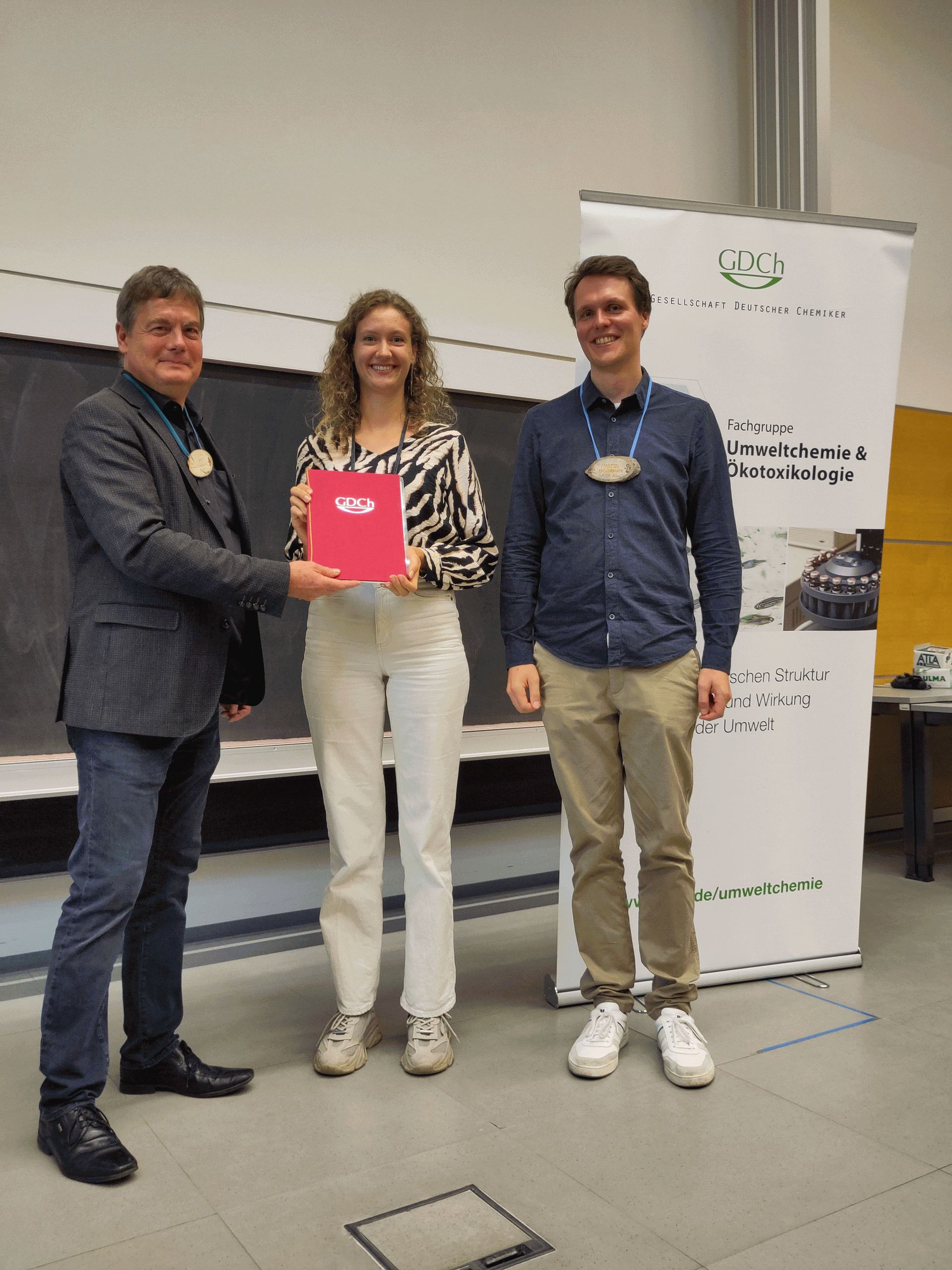
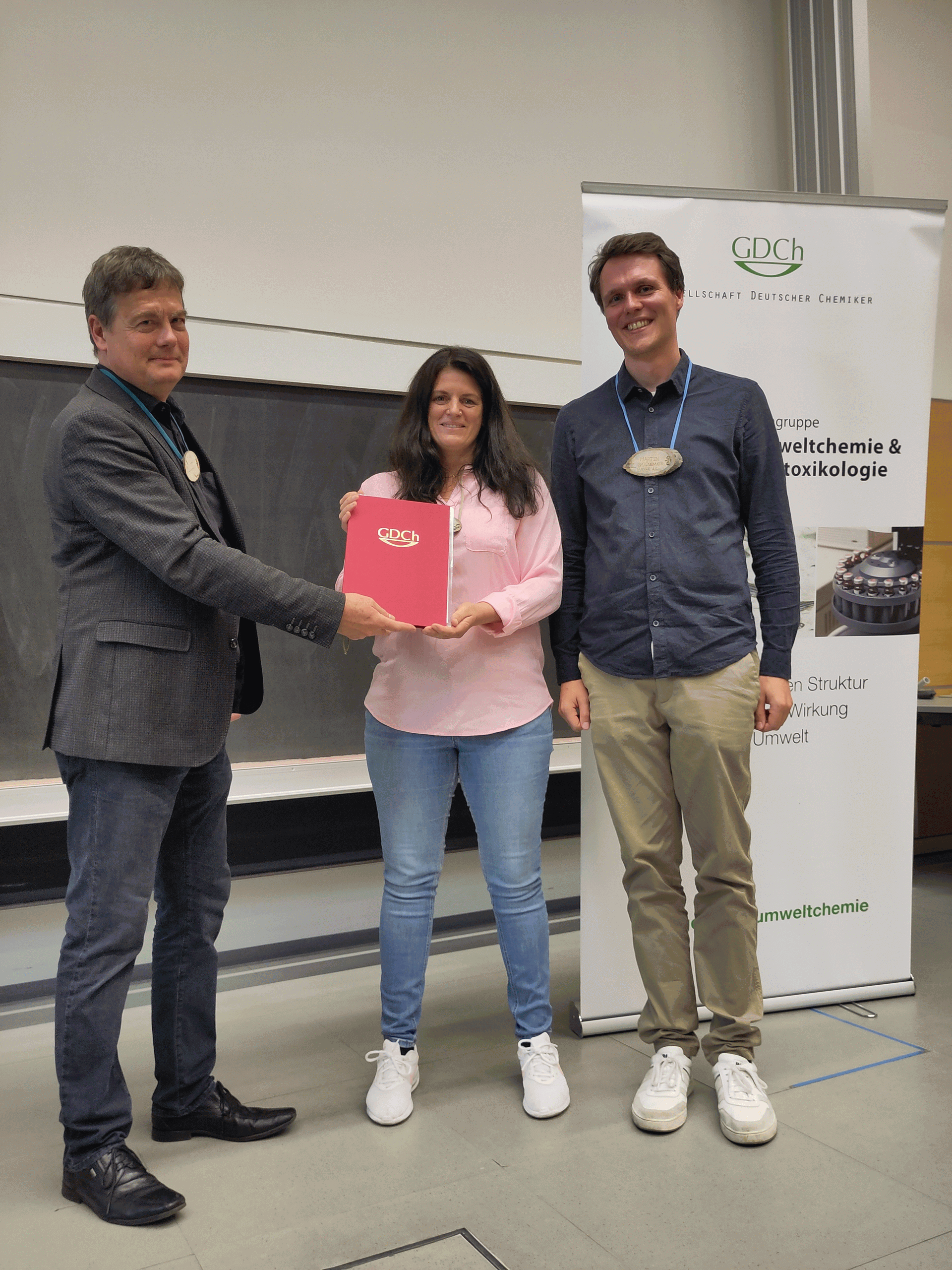
The Paul-Crutzen Award - donated by Bayer AG - was shared in 2024 and presented to Alexandra Loll and Dr Anja F.R.M. Ramsperger on the occasion of the Division's annual conference "Environment 2024" on 9 September 2024.
Alexandra Loll: In recognition of the publication entitled "Short-Term Test for Toxicogenomic Analysis of Ecotoxic Modes of Action in Lemna minor", which was produced as part of her Master's thesis at Fraunhofer IME in Schmallenberg (Environ. Sci. Technol. 2022, 56, 11504-11515). In standard ecotoxicological tests for the regulatory environmental risk assessment of substances prior to their market authorisation, the aquatic plant Lemna minor is most frequently used as a model organism. Although the tests record toxic effects in the plant, they do not allow any conclusions to be drawn about the exact toxic mechanism of action. As part of her Master's thesis, Ms Loll developed a method for the rapid assessment and differentiation of modes of action in L. minor by combining an abbreviated growth inhibition test with transcriptomics and proteomics. As L. minor has hardly been studied genomically to date, the bioinformatic evaluation of the complex transcriptome and proteome data represents a special achievement.
The work is honoured with the Paul-Crutzen Award as it represents a significant contribution to facilitating substance-based environmental hazard assessment and may, for example, make cost- and animal-intensive, higher-level tests superfluous in the future.
Dr Anja F.R.M. Ramsperger: Awarded in recognition of the publication entitled "Nominally identical microplastic models differ greatly in their particle-cell interactions" (Nature Communications 2024, 15, article number: 922), which was produced as part of her dissertation at the University of Bayreuth. The environmental impact of microplastics is also the focus of public attention. In addition to entry pathways and accumulations in environmental compartments, potential negative effects on organisms and ultimately on human health are increasingly coming to the fore. An important factor in risk assessment is the interaction with and thus the subsequent uptake of microplastics into cells. This is where Ms Ramsperger's innovative work comes in, in which the surface properties in connection with the microplastic-cell interaction were investigated. She showed for the first time that nominally identical particles from different commercial sources differ considerably in their surface properties, which explains the different results in corresponding impact studies on microplastics. This work is being honoured with the Paul-Crutzen Award, as Ms Ramsperger has significantly advanced microplastics research, particularly with regard to the environmental impact, in a highly interdisciplinary study.
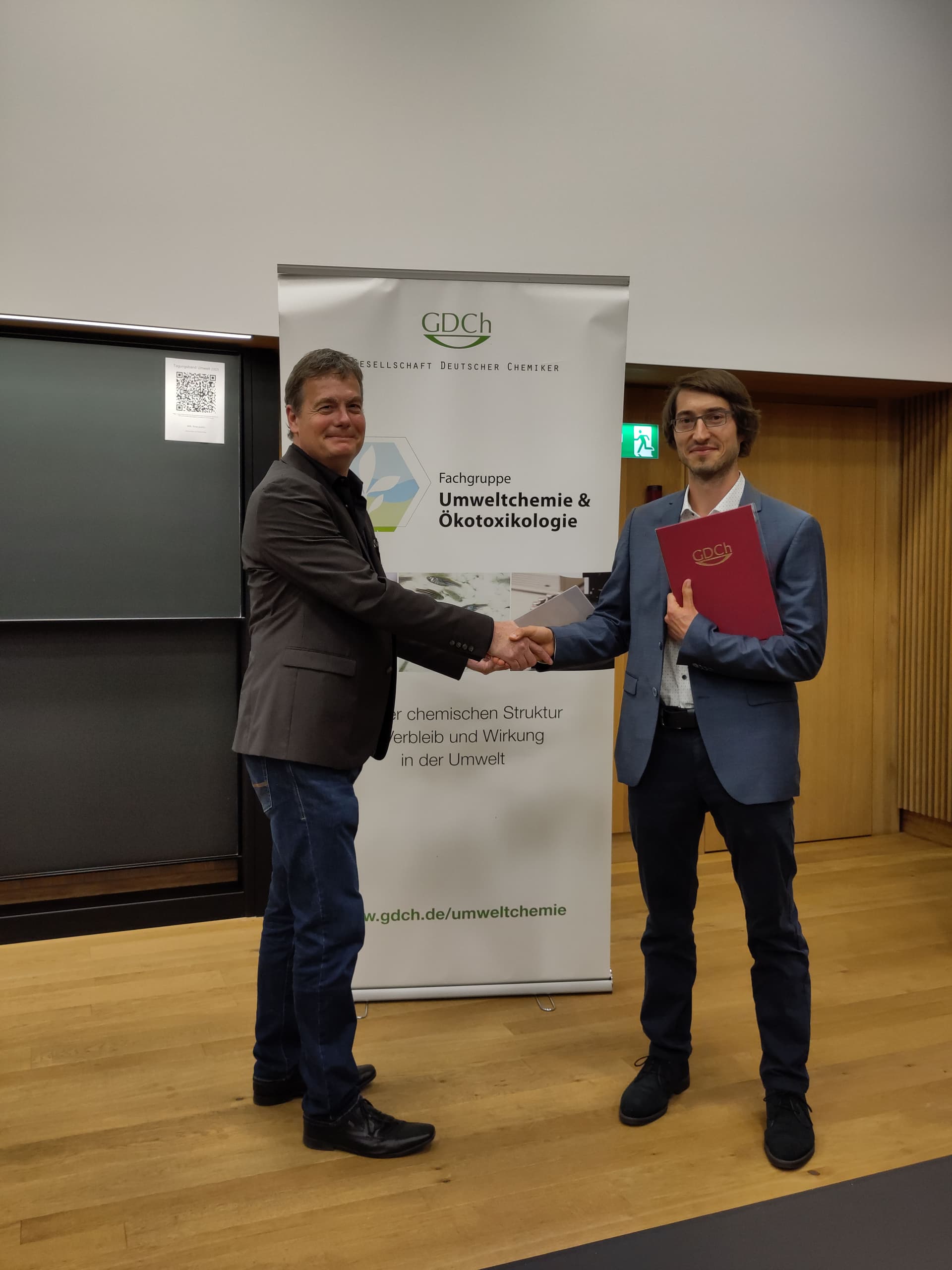
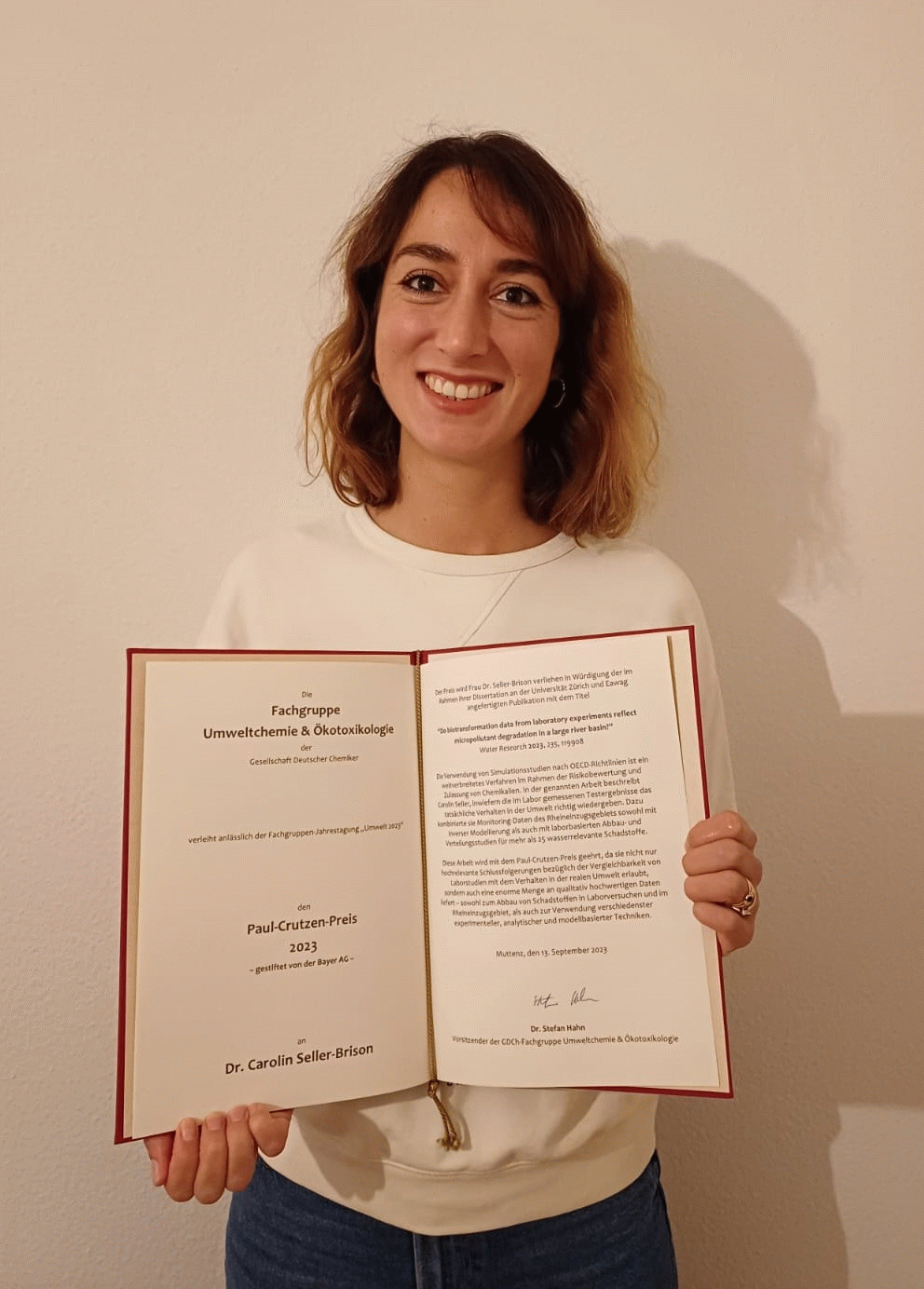
The Paul-Crutzen Award - donated by Bayer AG - was shared in 2023 and awarded to Dr Carolin Seller-Brison and Dr Florian Ungeheuer on the occasion of the Division Award "Environment 2023".
Dr Carolin Seller-Brison: "Awarded in recognition of the publication she produced as part of her dissertation at the University of Zurich and Eawag entitled "Do biotransformation data from laboratory experiments reflect micropollutant degradation in a large river basin?" (Water Research 2023, 235, 119908). The use of simulation studies according to OECD guidelines is a widespread procedure in the context of risk assessment and authorisation of chemicals. In the aforementioned paper, Carolin Seller describes the extent to which the test results measured in the laboratory correctly reflect the actual behaviour in the environment. To this end, she combined monitoring data from the Rhine catchment area with both inverse modelling and laboratory-based degradation and distribution studies for more than 25 water-relevant pollutants. This work is honoured with the Paul-Crutzen Award because it not only allows highly relevant conclusions regarding the comparability of laboratory studies with the behaviour in the real environment, but also provides an enormous amount of high-quality data - both on the degradation of pollutants in laboratory experiments and in the Rhine catchment, as well as on the use of various experimental, analytical and model-based techniques."
.Dr Florian Ungeheuer: "Awarded in recognition of the publication entitled: "Nucleation of jet engine oil vapours is a large source of aviation-related ultrafine particles" (Communications Earth & Environment 2022, 3, 319). Airports are a major source of particles in the air and can thus affect air quality and human health. In the aforementioned paper, Florian Ungeheuer shows that lubricating oils from aircraft engines make up a significant proportion of such particles and can be detected down to a size of 10-18 nanometres. In addition, he demonstrates through mechanistic investigations that these lubricating oils can contribute decisively to the formation of such ultrafine particles. This work is honoured with the Paul-Crutzen Award because it impressively demonstrates how the occurrence of synthetic lubricating oils in ultrafine aerosol particles could be unequivocally attributed to emissions from aircraft engines through a well-considered combination of laboratory and field experiments as well as physical and chemical analysis methods. In addition, the quantification of the substances and the mechanistic investigations can be used to derive consequences for future reduction measures."
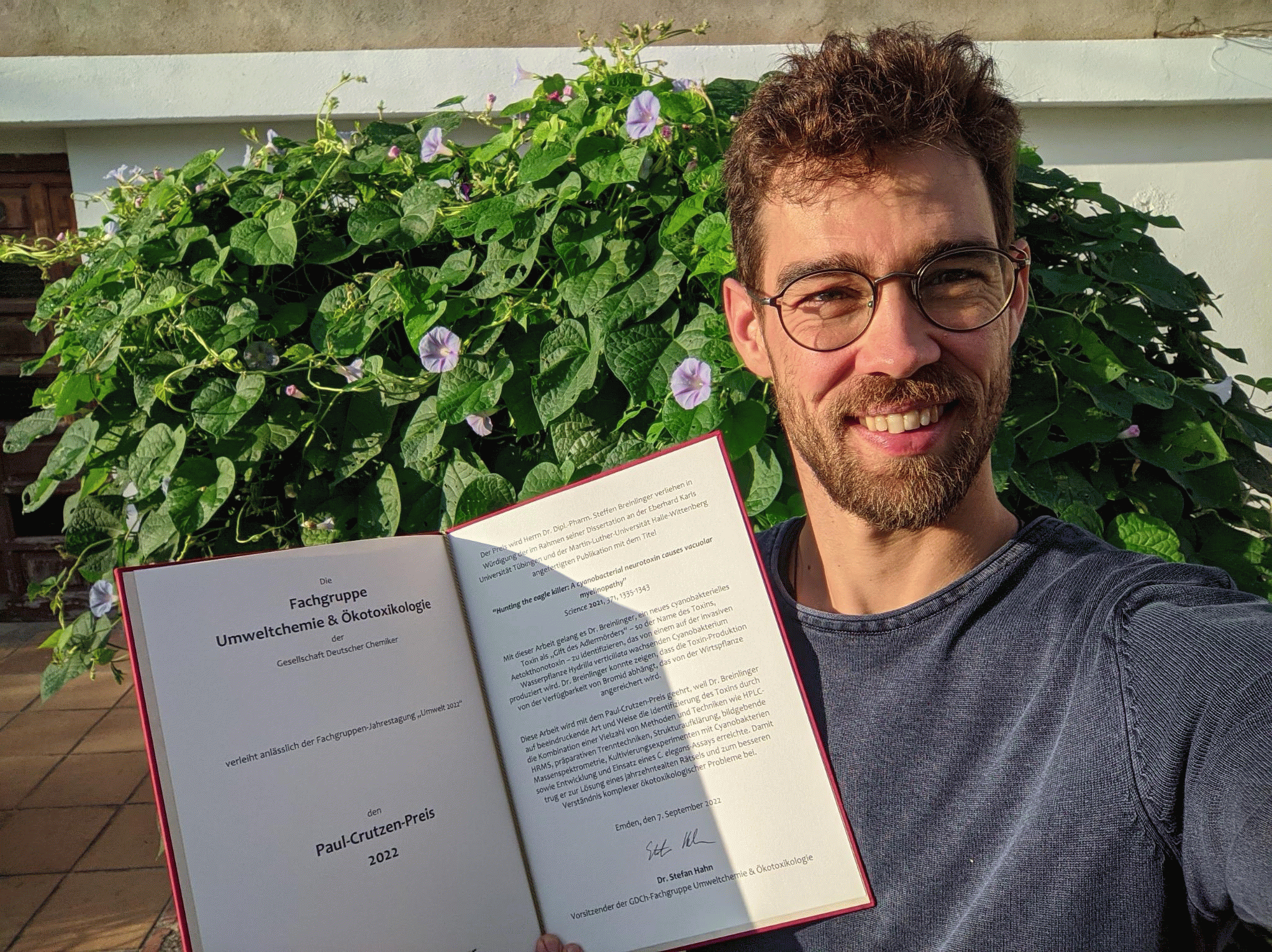
The Paul-Crutzen Award was shared in 2022 and presented to Dr Steffen Breinlinger and Dr Jennifer Susanne Strehse at the Division's annual conference "Environment 2022".
Dr. Dipl.-Pharm. Steffen Breinlinger: "Awarded in honour of the publication he produced as part of his dissertation at the Eberhard Karls University of Tübingen and the Martin Luther University Halle-Wittenberg entitled "Hunting the eagle killer: A cyanobacterial neurotoxin causes vacuolar myelinopathy" (Science 2021, 371, 1335-1343). With this work, Dr Breinlinger succeeded in identifying a new cyanobacterial toxin as the "poison of the eagle killer" - the name of the toxin, aetokthonotoxin - which is produced by a cyanobacterium growing on the invasive aquatic plant Hydrilla verticillata. Dr Breinlinger was able to show that toxin production depends on the availability of bromide, which is enriched by the host plant. This work is honoured with the Paul-Crutzen Award because Dr. Breinlinger impressively achieved the identification of the toxin by combining a variety of methods and techniques such as HPLC-HRMS, preparative separation techniques, structure elucidation, imaging mass spectrometry, cultivation experiments with cyanobacteria and the development and use of a C. elegans assay. In doing so, he contributed to solving a decades-old puzzle and to a better understanding of complex ecotoxicological problems".
Dr Jennifer Susanne Strehse: "Awarded in recognition of the publication entitled "The explosive trinitrotoluene (TNT) induces gene expression of carbonyl reductase in the blue mussel (Mytilus spp.) - A new promising biomarker for sea-dumped World War relicts?", which was produced as part of her work at Kiel University." (Archives of Toxicology 2020, 94, 4043-4054). The release of chemicals from old munitions in the North and Baltic Seas is causing growing concern among experts. Trinitrotoluene, better known by its abbreviation TNT, is attracting particular attention. Suitable detection methods are required for the risk management of compounds typical of explosives. In her award-winning work, Dr Strehse developed a specific molecular biomarker in mussels that can be used to detect the exposure of filter feeders to TNT. This work was honoured with the Paul-Crutzen Award because Dr Strehse impressively combined interdisciplinary findings from the fields of environmental monitoring, ecotoxicology, analytics, genetics and bioinformatics and combined the results of intensive laboratory work and field experiments. The result is a relevant building block for the monitoring and Management of munitions in the sea, which helps to minimise the risk of damage to the environment or human health - a problem that will occupy us worldwide for a long time to come."
.View PDF
The award was presented to Dr Alexander Maximilian Voigt on the occasion of the Division's annual conference "Environment 2021" in recognition of his publication in Dr Harald Färber's working group at the University Hospital Bonn on the topic of: "Association between antibiotic residues, antibiotic resistant bacteria and antibiotic resistance". Harald Färber at the University Hospital Bonn with the topic: "Association between antibiotic residues, antibiotic resistant bacteria and antibiotic resistance genes in anthropogenic wastewater - An evaluation of clinical influences"
Chemosphere 2020, 241, 125032
In the paper, Dr Voigt and his co-authors describe the connection between the sources of antibiotic residues and the development of antibiotic resistance in bacteria. To this end, anibiotic-resistant bacteria were cultivated in the laboratory, identified, characterised and analysed for antibiotic-resistant genes. In municipal wastewater samples, he was able to demonstrate a correlation between the concentration of antibiotic-resistant bacteria and the spatial proximity to clinical wastewater contaminated with antibiotics. To prevent a further increase in the formation of antibiotic-resistant bacteria in wastewater, he proposes direct, decentralised wastewater treatment of clinical wastewater.
The publication is being honoured with the Paul-Crutzen Award because it combines chemical, biological and statistical analyses and demonstrates a solution for minimising the spread of antibiotic-resistant bacteria.
The prize was awarded at the 2019 Environmental Conference in Landau to Dr Sigrid Richter-Brockmann for the publication "Analysis and toxicity of 59 PAH in petrogenic and pyrogenic environmental samples including dibenzopyrenes, 7Hbenzo[c] fluorene, 5-methylchrysene and 1-methylpyrene" (Chemosphere 2018, 200, 495-503).
In the work, Sigrid Richter-Brockmann describes results on the analysis of polycyclic aromatic hydrocarbons (PAHs) in various matrices. Not only the 16 commonly measured EPA PAHs are considered, but also other toxicologically relevant substances of this substance class. The measurement data obtained with the help of this analytical approach contribute significantly to a better understanding of the variance in the composition of different PAHs in samples of different origin and thus the hazard potential of the samples for human health and the environment. These estimates indicate that the routine analysis of the 16 EPA PAHs is not sufficient, but that other PAHs contribute to the majority of the hazard potential despite lower concentrations.
The work was honoured with the Paul-Crutzen Award because it uniquely combines the analysis of PAHs in different matrices with the hazard potential, makes an important contribution to the future approach to contamination by PAHs and contributes to the development of suitable risk management measures.
The prize was awarded at the 2018 Environment Conference in Münster to Dr Anika Pohlabeln for the paper "Experimental Evidence for Abiotic Sulfurisation of Marine Dissolved Organic Matter" (Front. Mar. Sci 2017, 4, 364) awarded.
In this paper, Dr Anika Pohlabeln and her co-authors describe the results of laboratory experiments on the mechanism, products and extent of abiotic formation of sulphur-containing organic material under reducing conditions found on the seafloor. Through laboratory experiments, combined with the analysis of the products using ultra-high resolution mass spectrometry (FTICR-MS), Ms Pohlabeln was able to demonstrate the abiotic formation of a variety of organosulphur molecules in sediments under reducing conditions and to prove the high similarity of the products to those found in the natural environment. Initial estimates indicate that the abiotic formation of organosulphur compounds could be a quantitatively relevant process for the sulphur cycle.
The work is honoured with the Paul-Crutzen Award because it brings a hitherto little-noticed process for the formation of organically bound sulphur in the sea into focus and provides an incentive for further investigations into this potentially significant source of such material in the global sulphur cycle.The prize was awarded to Dr Martin Brüggemann on the occasion of the Forum of Young Environmental Scientists from 19-21 June 2017 in Münster in recognition of his publication "Real-time detection of highly oxidized organosulfates and BSOA marker compounds during the F-BEACh 2014 field study" (Atmos. Chem. Phys. 2017, 17, 1453-1469)
In this work, Dr Martin Brüggemann describes a unique combination of complementary mass spectrometric methods, both online and offline, for the chemical characterisation of organic aerosol components. Dr Brüggemann played a key role in the development of one of the online measurement techniques used, AeroFAPA-MS. The measurement data obtained using these complementary analytical approaches contribute significantly to a better understanding of the chemical processes that lead to the formation of so-called secondary organic aerosol (SOA) in the atmosphere.
The work is honoured with the Paul-Crutzen Award because it impressively demonstrates how even complex environmental chemical processes with high temporal dynamics can be made transparent through a well-considered combination of different analytical methods.
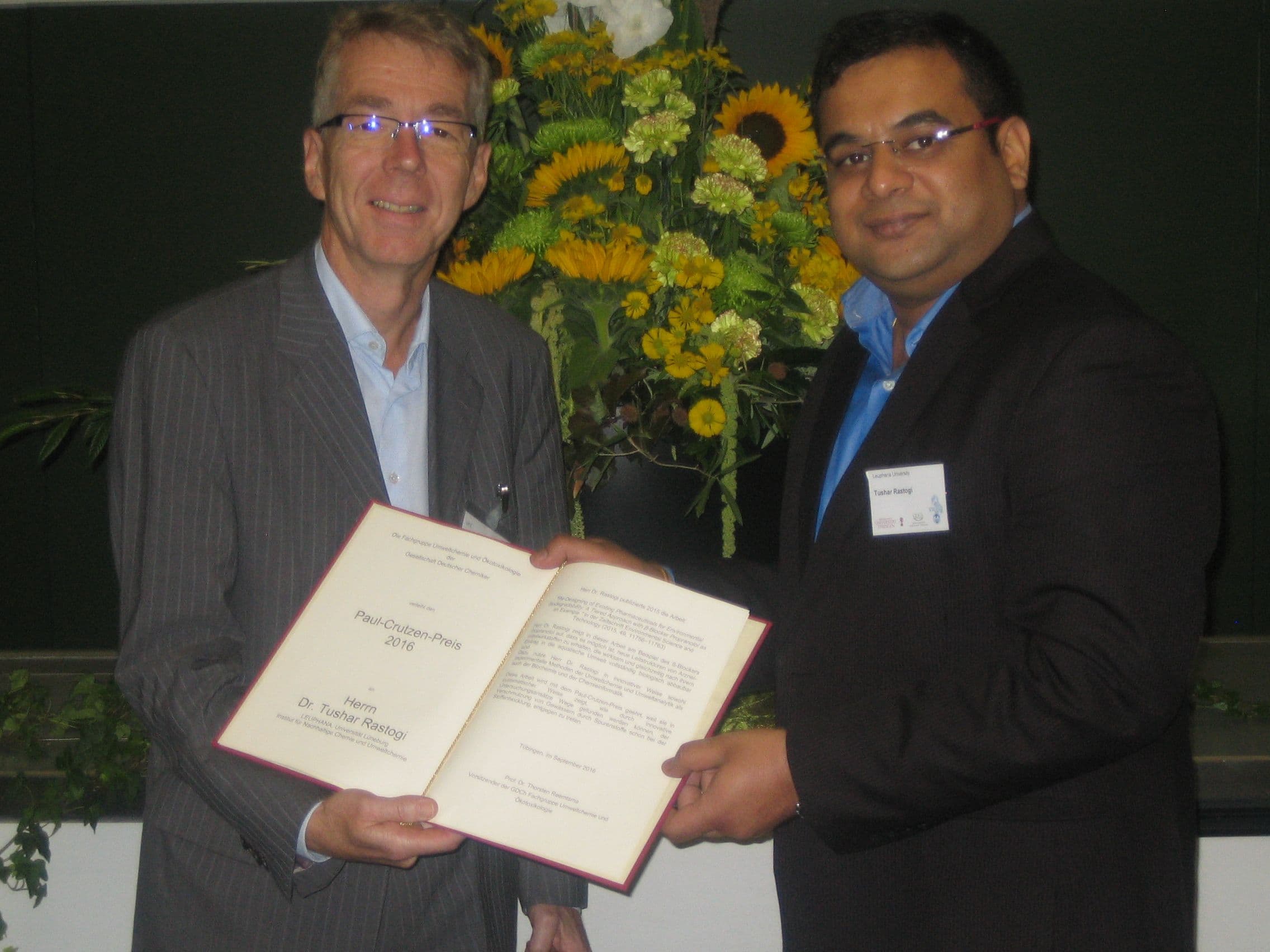
The Prize was awarded at the Conferences "Many substances - great risk? How relevant are (trace) substances for humans and the environment" (5-8 September 2016 in Tübingen) to Dr Tushar Rastogi (Institute for Sustainable Chemistry and Environmental Chemistry at Leuphana University of Lüneburg) for the publication "Re-Designing of Existing Pharmaceuticals for Environmental Biodegradability: A Tiered Approach with β-Blocker Propranolol as an Example" (Environ. Sci. Technol. 2015, 49, 11756-11763).
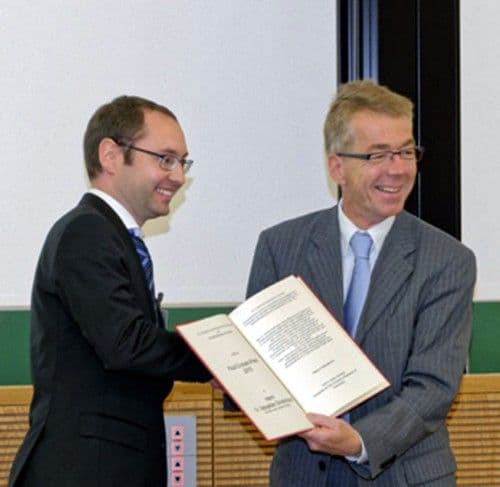
During the "International Conference on Chemistry and the Environment (ICCE)" in Dresden Dr Sebastian Scheinhardt (Leibniz Institute for Tropospheric Research; TROPOS) was honoured for his publication on the effects of climate change on air quality, "Comprehensive chemical characterisation of size-segregated PM10 in Dresden and estimation of changes due to global warming" (Atmos. Env. 2013, 75, 365-373) was awarded the 2015 Paul-Crutzen Award.
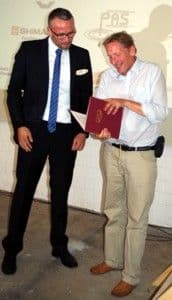
At the 6th Joint Conference of SETAC GLB and the GDCh Division of Environmental Chemistry & Ecotoxicology from 7-10 September 2014 in Giessen and Homberg (Ohm) on the topic of "Researching fundamentals, applying findings, imparting knowledge", Division Chairman Prof. Andreas Schäffer presented the Division Prize to Thorsten Hüffer for his publication "How red red="_blank">Ecological Chemistry and Ecotoxicology. Andreas Schäffer presented the Division Awards to Thorsten Hüffer for his publication "How redox conditions and irradiation affect sorption of PAHs by dispersed fullerenes (nC60)" (Environ. Sci. Technol. 2013, 43, 6935-6942).
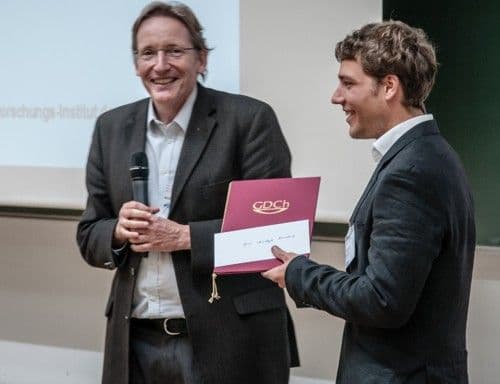
At the SETAC-GLB/GDCh-FG Conference "Stadt, Land, Fluss: Ökotoxikologie im urbanen Raum" from 23-26 September 2013 in Essen FG Chairman Prof. Andreas Schäffer presented the Division Award to Christoph Moschet for his publication "Multi-Level Approach for the Integrated Assessment of Polar Organic Micropollutants in an International Lake Catchment: The Example of Lake Constance" (Environ. Sci. Technol. 2013, 47, 7028-7036).
Moschet presented a novel and comprehensive concept for the detection and assessment of water pollution with organic micropollutants using the example of Lake Constance. First, he analysed the water of Lake Constance for anthropogenic organic trace substances using LC-HRMS. In a second step, he used an extended GIS-based catchment area model to determine the pollution hotspots in the tributaries of Lake Constance. In particular, the model-based predictions of the future development of concentrations in the lake as well as the calculation of the influence of reduction measures, such as the upgrading of wastewater treatment plants with fourth purification stages, demonstrate the practical relevance of his work.
At the Joint Annual Meeting of SETAC-GLB and the GDCh Division of Environmental Chemistry & Ecotoxicology at the Environmental Research Centre in Leipzig from 10-13 September 2012, Division Chairman Prof. Andreas Schäffer presented the award to the Japanese scientist Manabu Shiraiwa for his publication "The role of long-lived reactive oxygen intermediates in the reaction of ozone with aerosol particles" (Nature Chem. 2011, 3, 291-295)
In his work, Shiraiwa gained important insights into the interactions of ozone and other gases with aerosol particles in the atmosphere. The chemical mechanisms he has elucidated are of great importance for understanding the properties of atmospheric aerosols and reactive species that influence global climate and health. The work includes complex laboratory experiments as well as quantum mechanical and reaction kinetic model calculations, which help to make statements about the toxicity and allergenic potential of soot, polycyclic aromatic hydrocarbons and nitrated protein macromolecules.
At the EuCheMS International Conference on Chemistry in the Environment (ICCE) 2011 in Zurich, which was co-organised by the GDCh Division of Environmental Chemistry & Ecotoxicology, Division Chairman Prof. Dr. A. Schäffer presented the Division's publication award, which was shared this time:
Dr Karolina Nowak received the prize for her work "Formation of bound residues from microbial biomass during 2,4-D degradation in soil" (Environ. Sci. Technol. 2011, 45, 999-1006). In her study, Ms Nowak combined laboratory experiments with labelled substrates and analysis with isotope mass spectrometry in a complex and intelligent way. She was thus able to track the fate of an environmental chemical during and after microbial degradation, its incorporation into biomass and, after its death, its integration into the soil's organic material in a temporally resolved manner. Ms Nowak has thus made a significant contribution to research in the field of the formation and dynamics of so-called bound residues.
Dr Andreas Kretschmann was awarded the prize for his publication "Toxicokinetic Model Describing Bioconcentration and Biotransformation of Diazinon in Daphnia magna" (Environ. Sci. Technol. 2011, 45, 4995-5002). In this study on the toxicokinetics of an insecticide in Daphnia magna, Mr Kretschmann combined the important topics of pollutant uptake, transformation and ecotoxicological effects in an exemplary manner. He presented the results of a methodologically demanding and convincing combination of experimental biological work, modern chemical analysis and the development of a toxicodynamic model. Mr Kretschmann thus underlined the importance of quantitative results and kinetic aspects in environmental chemical and ecotoxicological research.At the annual conference of the GDCh Division of Environmental Chemistry & Ecotoxicology "Environment 2010" in Dessau, the Division Chairman Prof. G. Lammel presented the Division's publication prize, which was shared and awarded to the following persons:
Dr Marianne Matzke for her publication "Ionic liquids in soils: Effects of different anion species of imidazolium based ionic liquids on wheat (Triticum aestivum) as affected by different clay minerals and clay concentrations" (Ecotoxicology 2009, 18, 197-203).In her work, Marianne Matzke investigated how certain chemicals, so-called ionic liquids, affect the growth of wheat and at the same time varied the composition of the soil in which the plants grew.
Dr Annekatrin Dreyer for her publication "Polyfluorinated compounds in the atmosphere of the atlantic and southern oceans: Evidence for a global distribution" (Environ. Sci. Technol. 2009, 43, 6507-6514). Annekatrin Dreyer investigated the global transport of certain pollutants, the so-called polyfluorinated organic compounds (PFCs), via the atmosphere into the environment as part of her DBU doctoral fellowship.
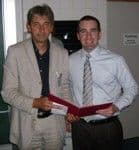
For the first time, the 2009 Division Awards were organised purely as a publication prize. A three-member jury consisting of Profs Eisenträger, Matthies and Püttmann had the difficult task of selecting the best work.
In the end, the jury voted clearly in favour of Michael C. Dodd and his publication "Oxidation of Antibacterial Compounds by Ozone and Hydroxyl Radical: Elimination of Biological Activity during Aqueous Ozonation Processes" (Environ. Sci. Technol. 2009, 43, 2498-504). As Prof Eisenträger emphasised in his laudatory speech, this work on the oxidation of antibacterial components by ozone and hydroxyl radicals clearly stood out from a large number of great papers.
| 2025 | Dr Anna Magdalena Röhnelt | Eberhard Karls University of Tübingen |
| 2024 2024 | Alexandra Loll | Fraunhofer IME, Schmallenberg |
| 2023 | Dr. Carolin Seller-Brison | University of Zurich and Eawag |
| 2022 2022 | Dr. Steffen Breinlinger Dr Jennifer Susanne Strehse | Eberhard Karls University Tübingen/Martin Luther University Halle-Wittenberg |
| 2021 | Dr. Alexander Maximilian Voigt | University Hospital Bonn |
| 2019 | Dr Sigrid Richter-Brockmann | University of Münster |
| 2018 | Dr. Anika Pohlabeln | University of Oldenburg |
| 2017 | Dr Martin Brüggemann | Université de Lyon |
| 2016 | Dr. Tushar Rastogi | LEUPHANA University of Lüneburg |
| 2015 | Dr Sebastian Scheinhardt | University of Leipzig |
| 2014 | Dr. Thorsten Hüffer | University of Vienna/Austria |
| 2013 | Christoph Moschet | Dübendorf/Switzerland |
| 2012 | Dr. Manabu Shiraiwa | |
| 2011 2011 | Dr. Karolina Nowak Dr Andreas Kretschmann | UFZ Leipzig |
| 2010 2010 | Dr Annekatrin Dreyer Dr Marianne Matzke Marianne Matzke | |
| 2009 | Dr. Michael Dodd | New Haven, CT/USA |
| 2007 | Dr. Doris Völker | UFZ Leipzig |
| 2006 | Dipl.Geoecologist Sandra Russold | UFZ Leipzig |
| 2003 | Dr Marco Eissen | ETH Zurich/Switzerland |
| 2001 | Dr. Katja Riedel | Hamburg |
| 2000 | Andreas Beyer | Osnabrück |