
Career
Career orientation
Job market
Salary information and income survey
Academy
Mentoring
Education
Learners and trainees
Students and doctoral candidates
Teachers
University statictics
Scholarships
Community
Divisions
Local Sections
Regular's table
Chem_Connect
Equal opportunities, diversity
International activities and cooperations
Membership
Discover
Top topics
Nachrichten aus der Chemie
Brochures and scientific publications
Fascination with chemistry
Statements and position papers
Press releases
Events
Conferences
Local events
Academy
Awards
Prizes
Historical sites of chemistry
About
Board and other bodies
Office
Statutes
Angewandte Chemie and Chemistry Europe
Foundations
ChemRXiv
Young Scientist Award
The GDCh Division of Biochemistry awards up to two Young Scientist Award Biochemistry prizes each year in recognition of outstanding research achievements in the field of biochemistry - evidenced either by a dissertation or a publication in a scientific journal. The award comes with a certificate, prize money of 2,000 euros and a one-year free membership of the Division. The award is decided by a prize committee appointed by the Division Board.
The prize has not yet been announced.
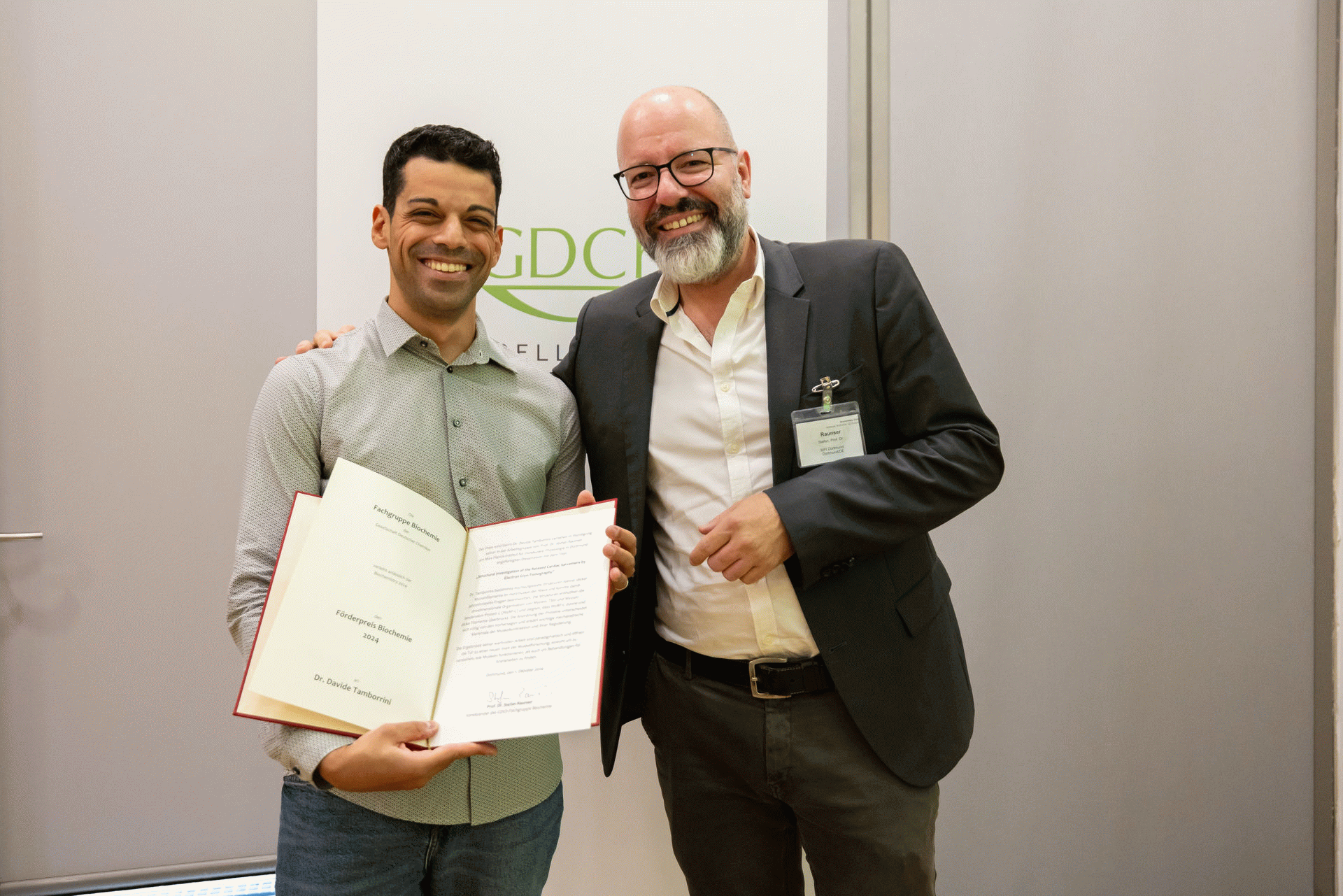
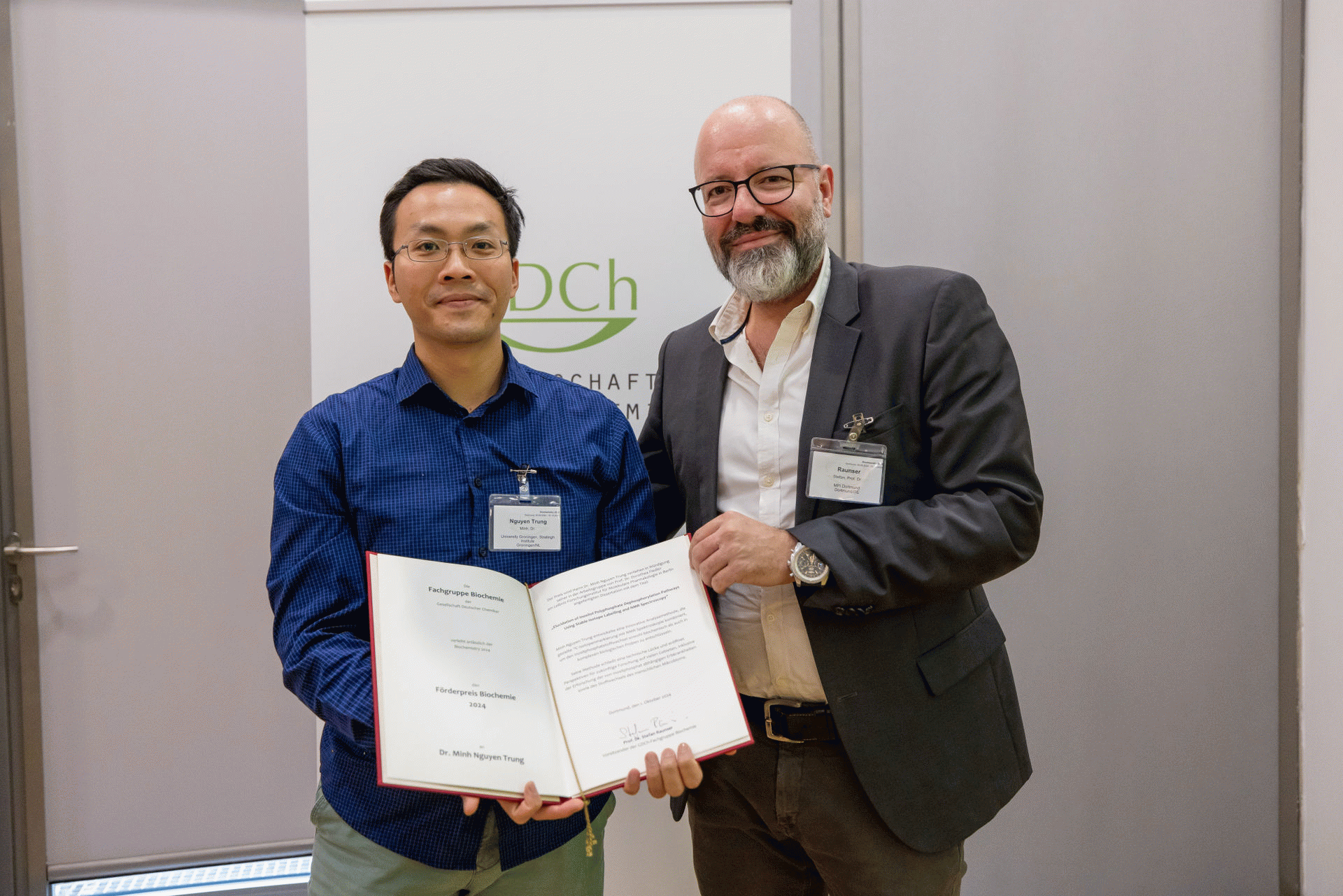
For the first time in 2024, the Division of Biochemistry of the German Chemical Society awarded two fully endowed Young Scientist Awards. These were awarded on 1 October 2024 at Biochemistry 2024 in Dortmund to Dr Davide Tamborrini and Dr Minh Nguyen Trung.
Dr Davide Tamborrini: "Awarded in recognition of his dissertation entitled "Structural Investigation of the Relaxed Cardiac Sarcomere by Electron Cryo-Tomography", which was completed in the working group of Prof Dr Stefan Raunser at the Max Planck Institute of Molecular Physiology in Dortmund . Dr Tamborrini determined high-resolution structures of native thick myosin filaments in mouse heart muscle and was thus able to answer decades-old questions. The structures revealed the three-dimensional organisation of myosin, titin and myosin-binding protein C (MyBP-C) and showed that MyBP-C bridges thin and thick filaments. The arrangement of the proteins is completely different from predictions and explains important mechanistic features of muscle contraction and its regulation. The results of his valuable work are paradigmatic and open the door to a new world of muscle research, both to understand how muscles function and to find treatments for disease."
Dr. Minh Nguyen Trung: "Awarded in recognition of his dissertation entitled "Elucidation of Inositol Polyphosphate Dephosphorylation Pathways Using Stable-Isotope Labelling and NMR Spectroscopy", which was completed in the working group of Prof. Dr Dorothea Fiedler at the Leibniz-Forschungsinstitut für Molekulare Pharmakologie in Berlin .Minh Nguyen Trung developed an innovative analytical method that combines targeted 13C isotope labelling with NMR spectroscopy to decipher inositol phosphate metabolism both biochemically and in complex biological samples.His method fills a technical gap and opens up perspectives for future research in many fields, including the study of inositol phosphate-dependent genetic diseases and the metabolism of the human microbiome."
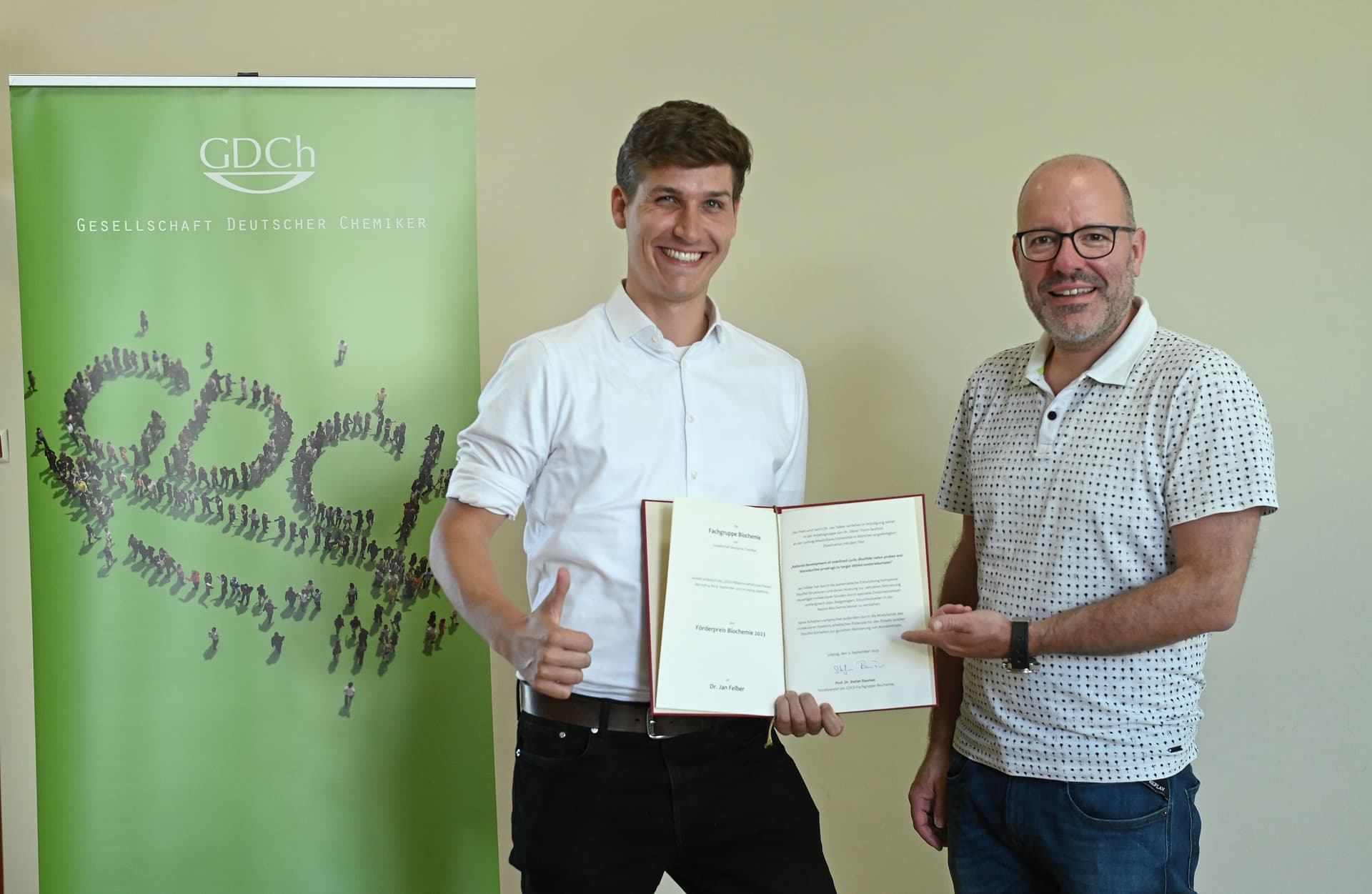
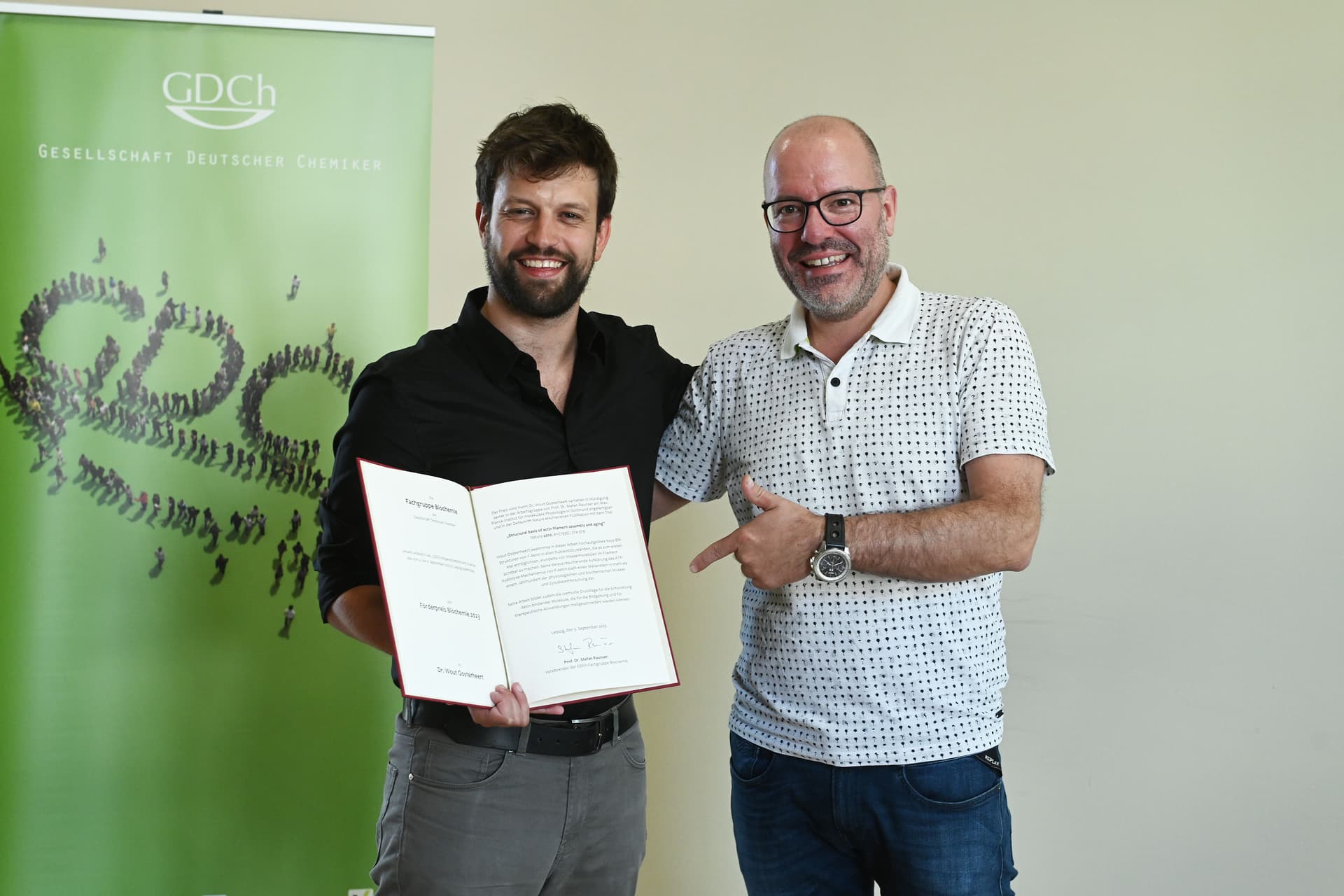
The Young Scientist Award Biochemistry of the Division of Biochemistry of the German Chemical Society was split and awarded to Dr Jan Felber and Dr Wout Oosterheert on 5 September 2023 on the occasion of the GDCh Science Forum Chemistry in Leipzig.
"The prize is awarded to Dr Jan Felber in recognition of his dissertation entitled "Rational development of stabilised cyclic disulfide redox probes and bioreductive prodrugs to target dithiol oxidoreductases", which was completed in the working group of Dr Oliver Thorn-Seshold at the Ludwig-Maximilians-Universität in Munich ." Jan Felber has contributed extensively to a better understanding of enzyme cascades in redox biochemistry through the systematic development of complex disulphide structures and their use for the cellular activation of novel molecular probes by specific oxidoreductases.Due to the modularity of the molecular system, his work also promises considerable potential for the use of such disulphide units for the targeted activation of drugs."
"The prize is awarded to Dr Wout Oosterheert in recognition of his work in the working group of Prof. Dr Stefan Raunser at the Max Planck Institute for Molecular Biology. Stefan Raunser at the Max Planck Institute of Molecular Physiology in Dortmund and published in the journal Nature with the title "Structural basis of actin filament assembly and aging."
In this work, Wout Oosterheert determined high-resolution cryo-EM structures of F-actin in all nucleotide states, which made it possible for the first time to visualise hundreds of water molecules in the filament. His resulting elucidation of the ATP hydrolysis mechanism of F-actin represents a milestone in more than a century of physiological and biochemical muscle and cytoskeletal research."
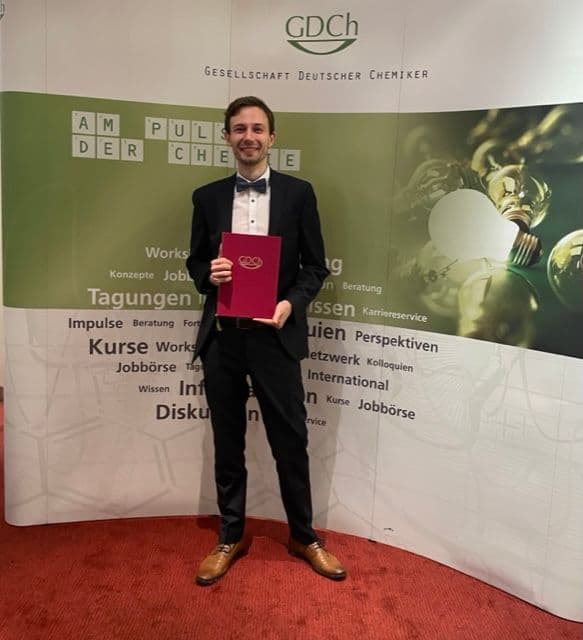
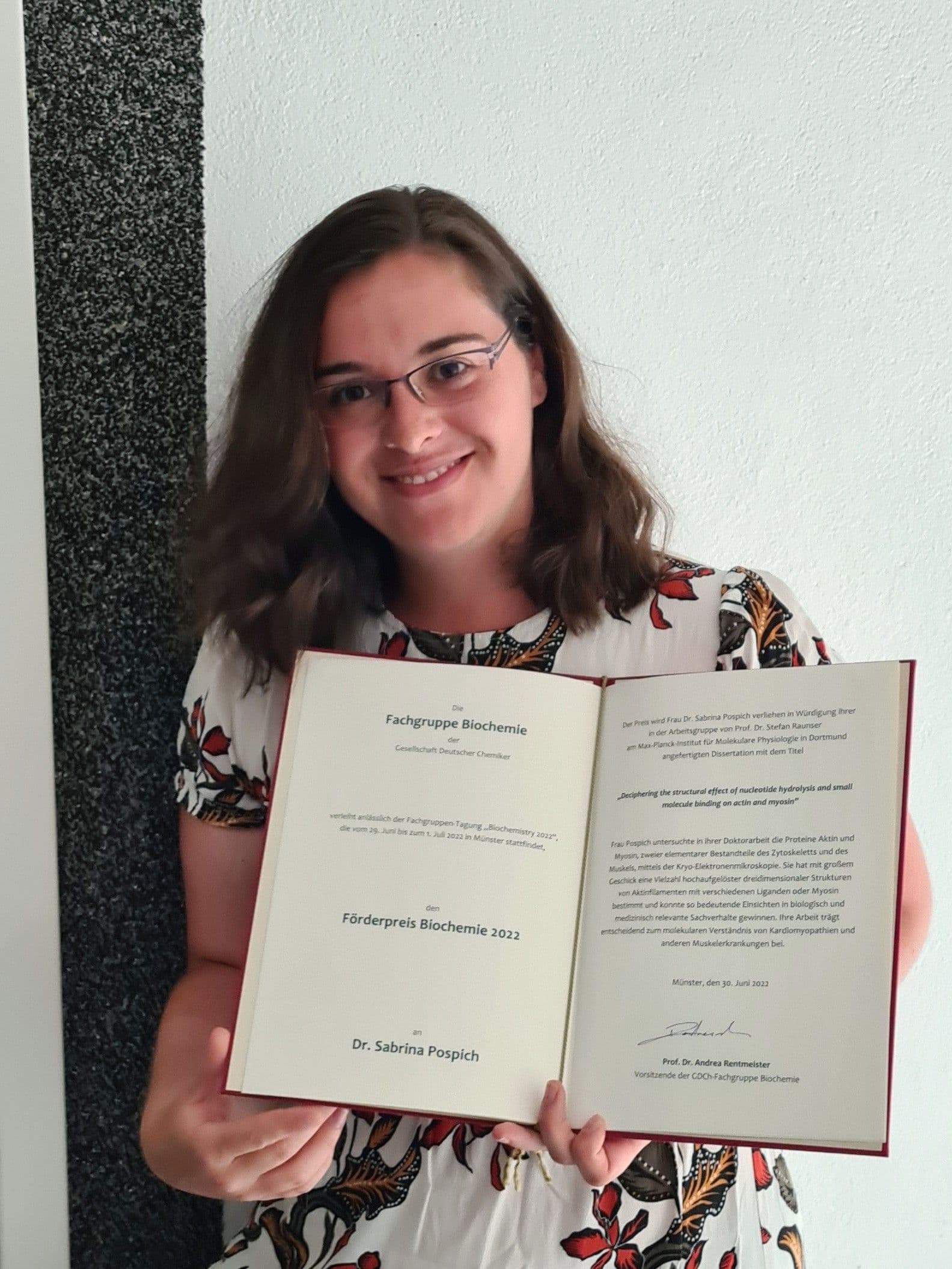
The Young Scientist Award of the Division of Biochemistry of the German Chemical Society was split and awarded on 30 June 2022 to Dr Goran Kokic and Dr Sabrina Pospich as part of the Division conference "Biochemistry 2022" in Münster.
"The prize is awarded to Dr Goran Kokic in recognition of his publication entitled "Structural basis of human transcription - DNA repair coupling" Nature 2021, 598, 368, which was prepared in the working group of Prof Dr Patrick Cramer at the Max Planck Institute for Biophysical Chemistry in Göttingen and published in the journal Nature. This work is particularly characterised by the fact that detailed structural insights into the molecular coupling of gene transcription with DNA repair in eukaryotic cells were obtained for the first time. In particular, biochemical and cryo-electronic analyses of large transient multiprotein-nucleic acid complexes were combined to create a multi-level molecular model for transcription-repair coupling. The work is also relevant for neighbouring fields of research. For example, initial insights into the structural basis of ubiquitination of a large multiprotein complex substrate were obtained, thus laying the foundation for further investigation of the regulation of transcription-repair coupling."
"The prize is awarded to Dr Sabrina Pospich in recognition of her dissertation entitled "Deciphering the structural effect of nucleotide hydrolysis and small molecule binding on actin and myosin", which she completed in the working group of Prof Dr Stefan Raunser at the Max Planck Institute of Molecular Physiology in Dortmund. In her doctoral thesis, Ms Pospich investigated the proteins actin and myosin, two elementary components of the cytoskeleton and muscle, using cryo-electron microscopy. She has skilfully determined a large number of high-resolution three-dimensional structures of actin filaments with different ligands or myosin and was thus able to gain significant insights into biologically and medically relevant issues. Her work contributes significantly to the molecular understanding of cardiomyopathies and other muscle diseases."
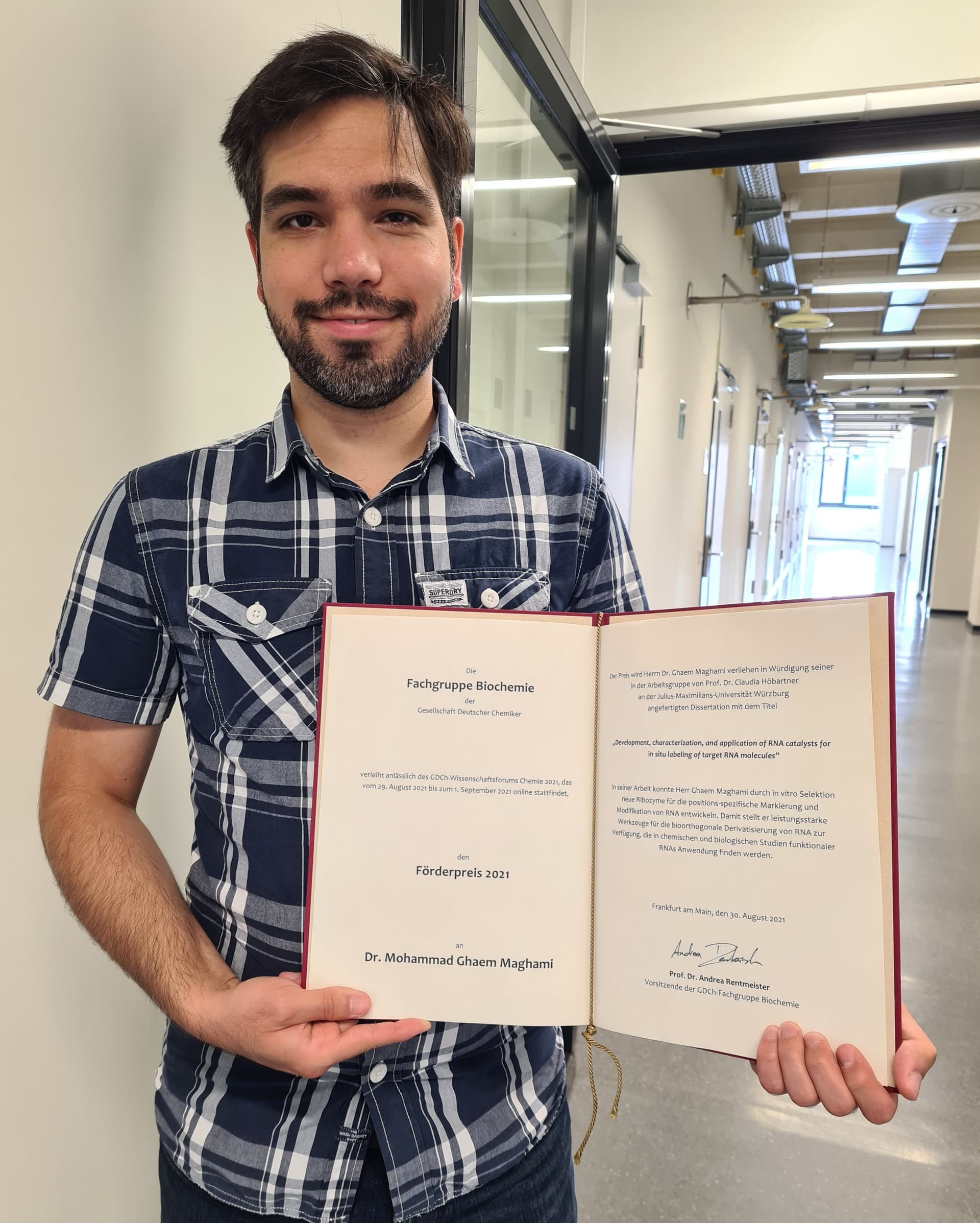
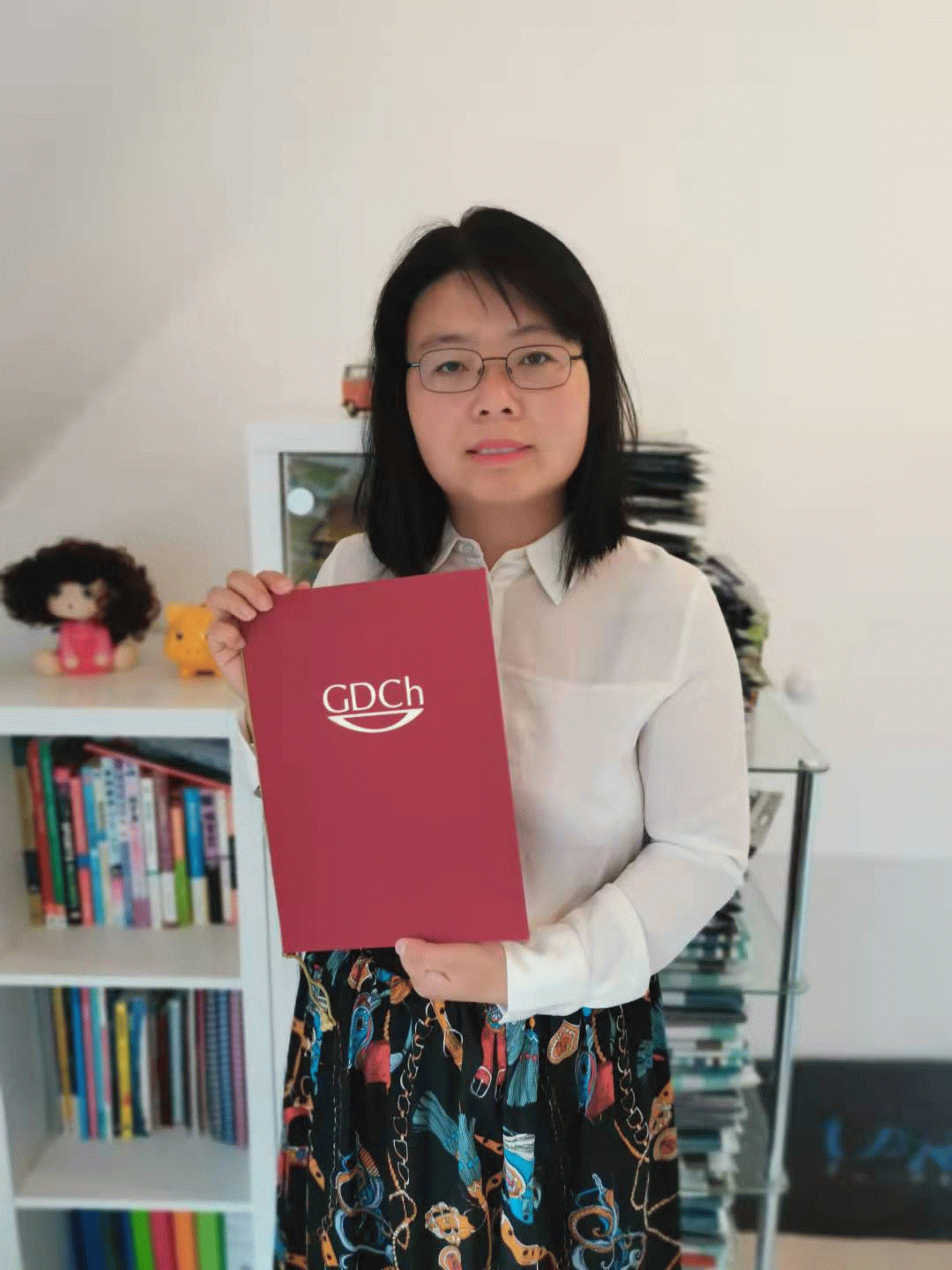
The 2020 Young Scientist Award Biochemistry of the Division of Biochemistry of the German Chemical Society was split and awarded to Dr Mohammad Ghaem Maghami and Dr Linlin Zhang at the GDCh Science Forum Chemistry 2021.
The prize is awarded to Mr Dr. Mohammad Ghaem Maghami in recognition of his dissertation with the topic: "Development, characterisation, and application of RNA catalysts for in situ labeling of target RNA molecules". In his work, Mr Ghaem Maghami was able to develop new ribozymes for the position-specific labelling and modification of RNA through in vitro selection. He thus provides powerful tools for the bioorthogonal derivatisation of RNA, which will be used in chemical and biological studies of functional RNAs.
The dissertation was written in the working group of Prof. Dr Claudia Höbartner at the Julius-Maximilians-Universität Würzburg.
The prize is awarded to Dr Linlin Zhang in recognition of her publication entitled: "Crystal structure of SARS-CoV-2 main protease provides a basis for design of improved α-ketoamide inhibitors". With this work, Dr Zhang created the prerequisite for the structure-based design of anti-coronavirus agents, the first of which are already undergoing clinical trials. The publication was produced in the working group of Prof Dr Rolf Hilgenfeld at the University of Lübeck.
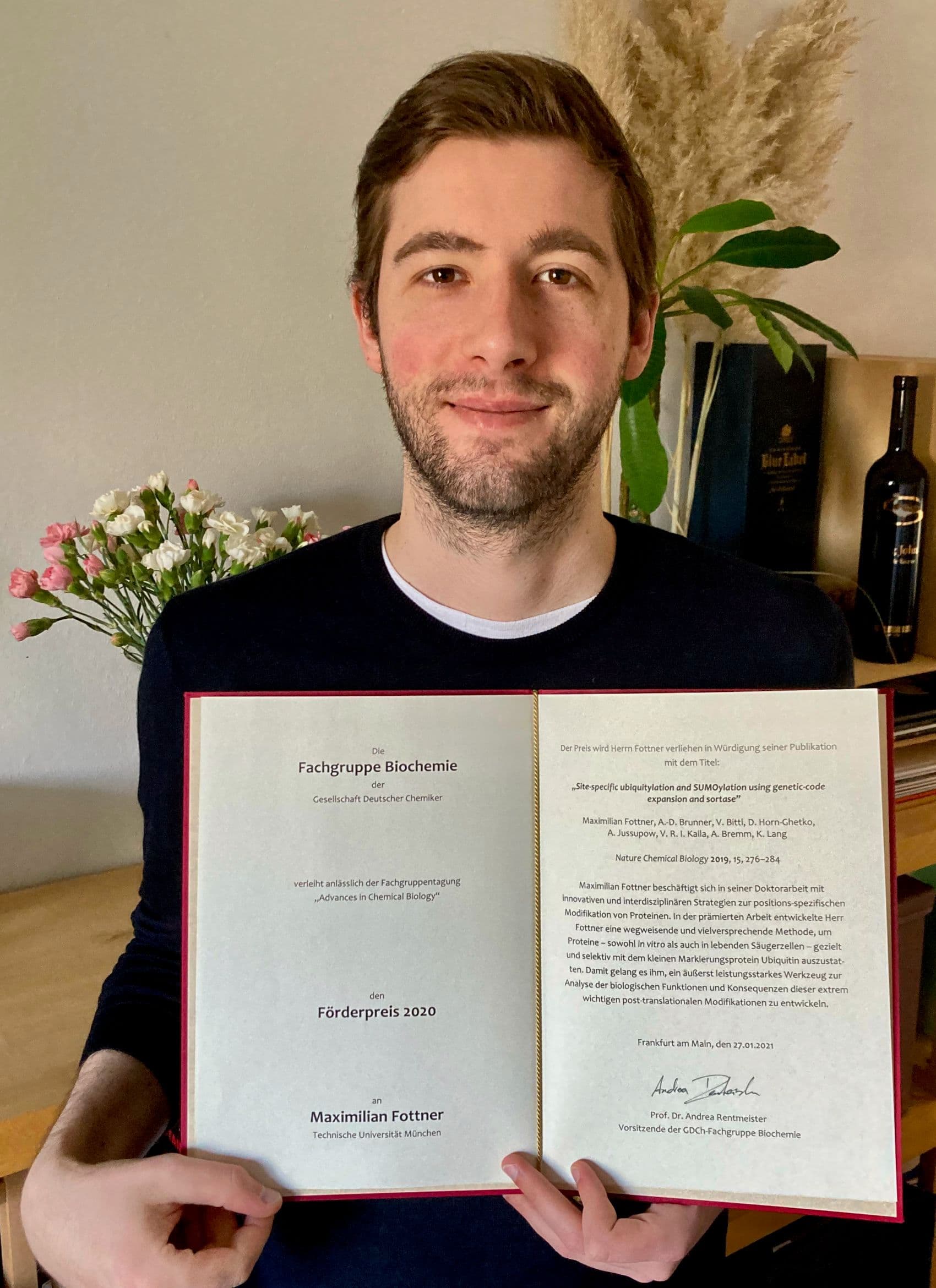
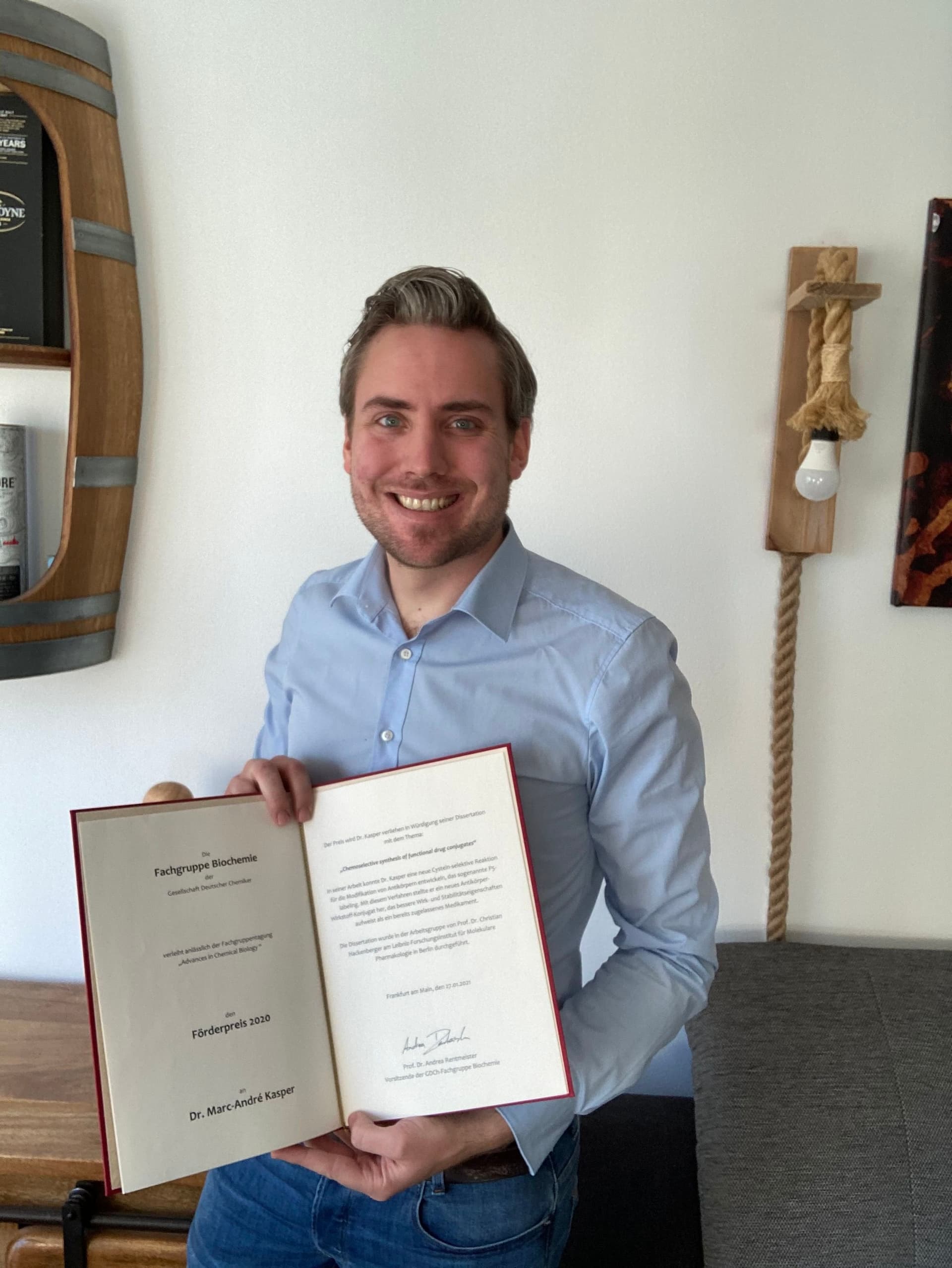
The Young Scientist Award 2020 of the Division of Biochemistry of the German Chemical Society was shared and presented to Maximilian Fottner and Dr Marc-André Kasper at the "Advances in Chemical Biology" Conference on 27 January 2021 in Frankfurt.
The prize is awarded to Mr Maximilian Fottner in recognition of his publication entitled: "Site-specific ubiquitylation and SUMOylation using genetic-code expansion and sortase". Maximilian Fottner's doctoral thesis focussed on innovative and interdisciplinary strategies for the position-specific modification of proteins. In his award-winning work, Mr Fottner developed a pioneering and promising method to selectively and specifically equip proteins - both in vitro and in living mammalian cells - with the small marker protein ubiquitin. He has thus succeeded in developing an extremely powerful tool for analysing the biological functions and consequences of these extremely important post-translational modifications.
The prize is awarded to Dr Marc-André Kasper in recognition of his dissertation on the topic: "Chemoselective synthesis of functional drug conjugates". In his work, Dr Kasper was able to develop a new cysteine-selective reaction for the modification of antibodies, known as P5 labelling. Using this process, he produced a new antibody-drug conjugate that has better efficacy and stability properties than an already approved drug.
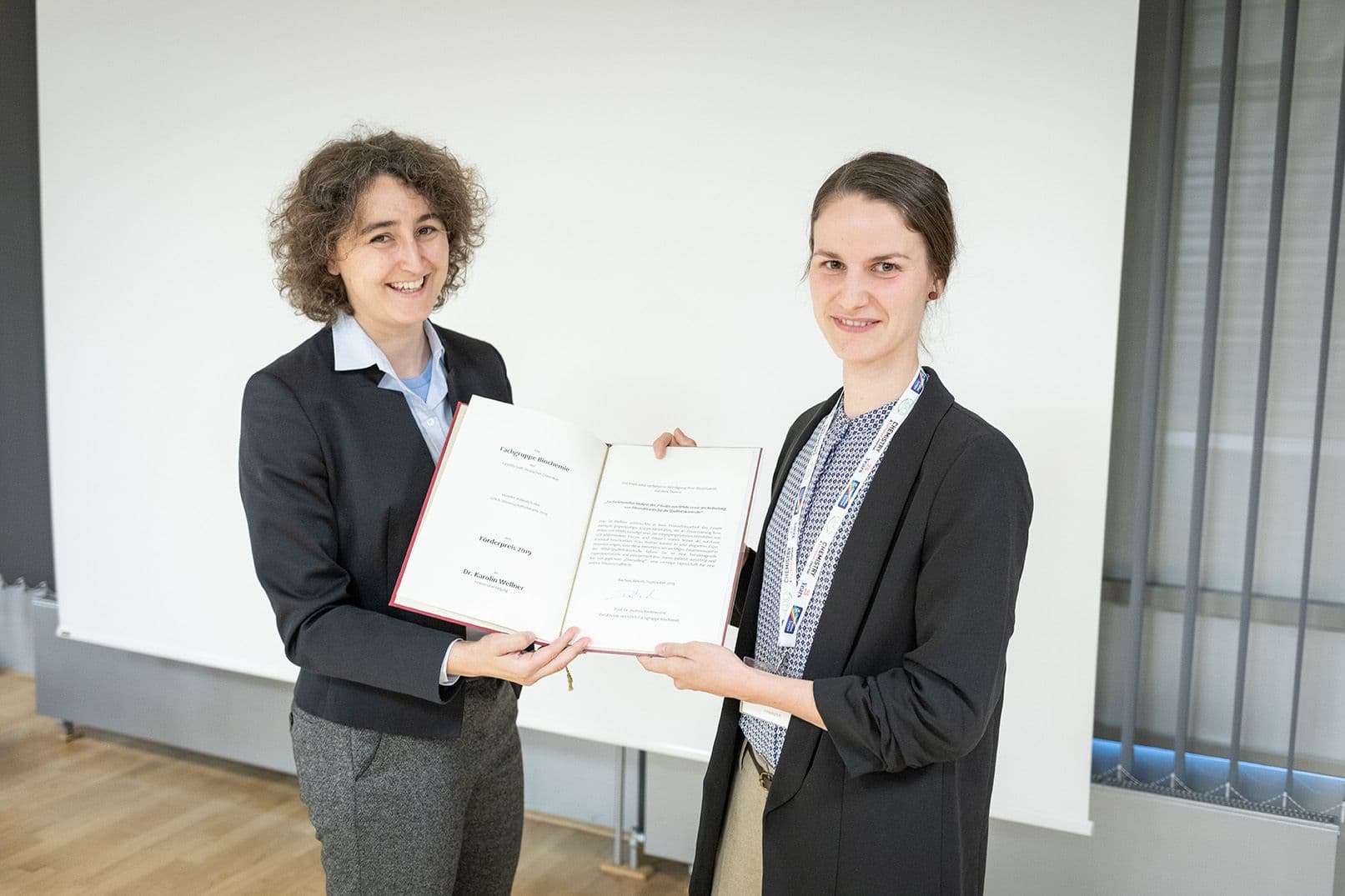
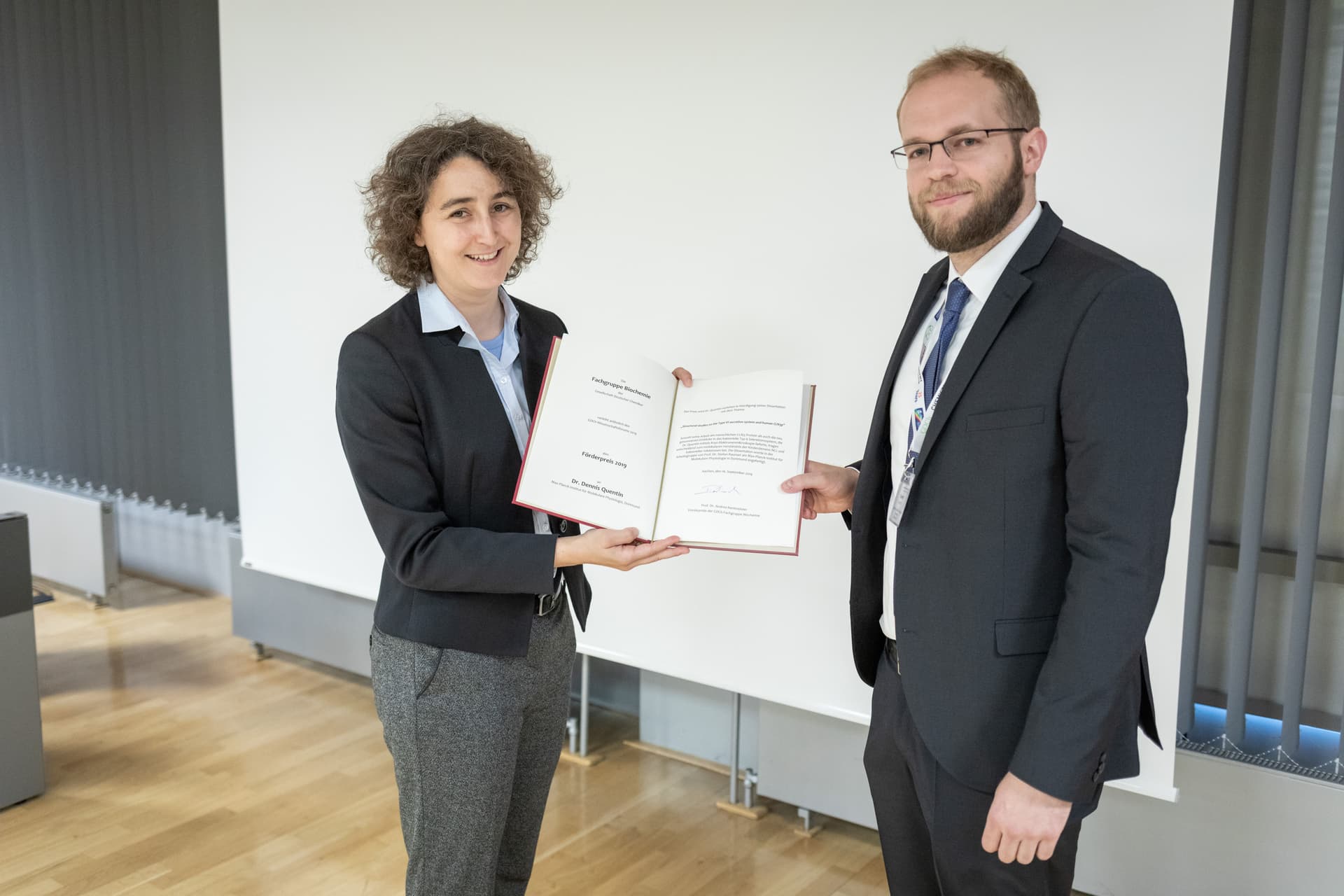
The 2019 Young Scientist Award Biochemistry of the Division of Biochemistry of the German Chemical Society was shared and presented to Dr Karolin Wellner, Dr Andreas Blees and Dr Dennis Quentin at the GDCh Science Forum 2019 in Aachen on 16 September 2019.
In her doctoral thesis "On the functional analysis of the 3'-end of tRNAs and the importance of ribonucleases for quality control" , Ms Dr. Wellner investigated the interplay of opposing enzyme activities involved in the processing and degradation of tRNAs. The opposing activities of CCA-adding enzyme and RNase T were previously described as a useless cycle. Ms Wellner was able to show in very elegant experiments that these activities provide an important interplay in tRNA quality control. She is an excellent experimenter and interprets her data extremely carefully and free of any "overselling" - an important quality for a serious scientist.
The prize is awarded to Dr Quentin in recognition of his dissertation on the topic: "Structural studies on the Type VI secretion system and human CLN3p".Both his work on the human CLN3 protein and the newly gained insights into the bacterial type 6 secretion system, which Dr Quentin provided using cryo-electron microscopy, make a decisive contribution to the molecular understanding of childhood dementia NCL and bacterial infections. The dissertation was completed in the working group of Prof Dr Stefan Raunser at the Max Planck Institute of Molecular Physiology in Dortmund.
Mr Dr Andreas Blees in recognition of his publication on the topic: "Structure of the human MHC-I peptide-loading complex". The adaptive immune system is responsible for recognising malignant or infected cells. A malfunction can lead to chronic inflammation and autoimmune diseases. Using innovative strategies, Dr Blees has succeeded in preparing the antigen transport and loading complex responsible for immune recognition and thus elucidating its structure. These groundbreaking findings will find their way into textbooks, as they significantly enrich our understanding of cellular immune defence.
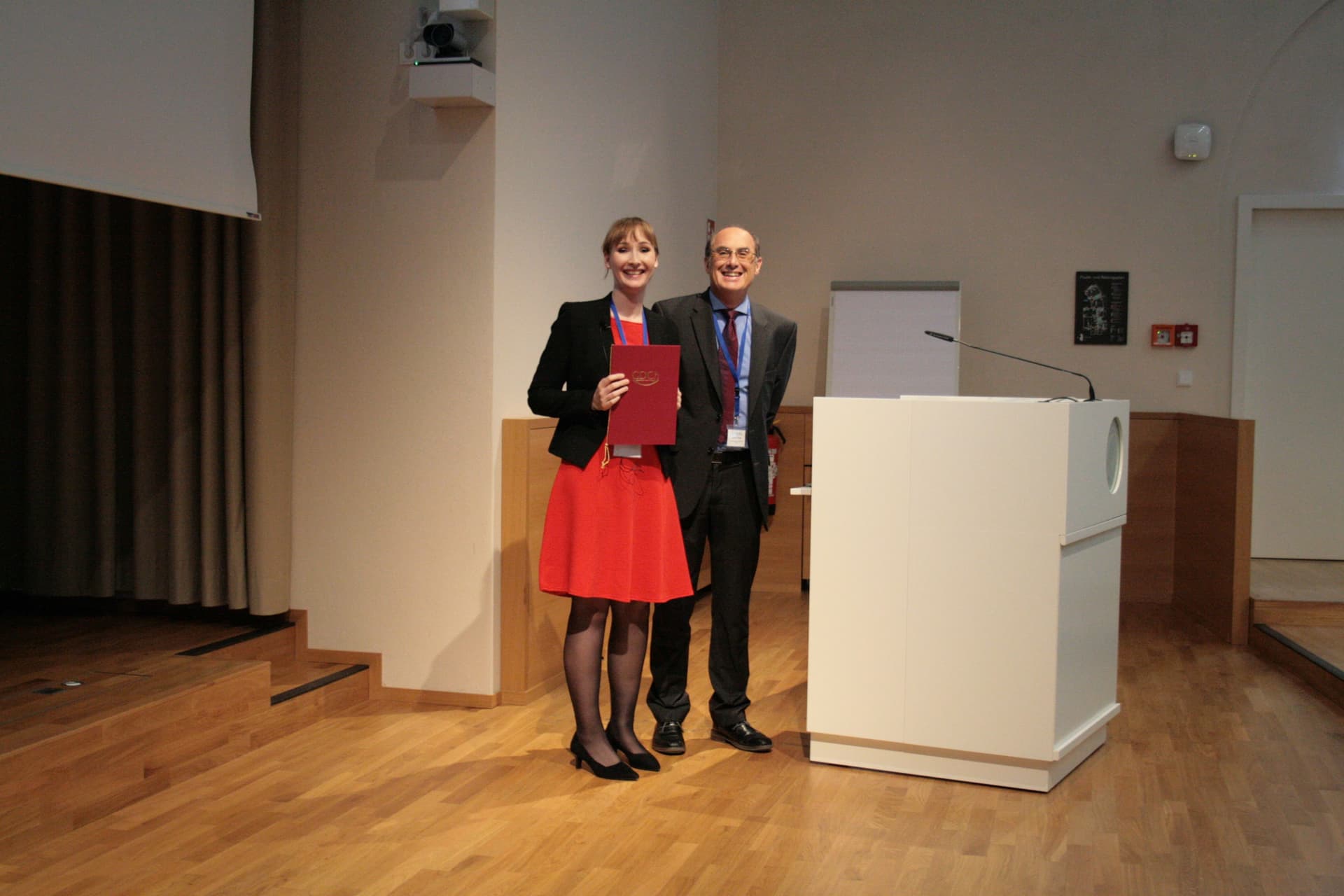
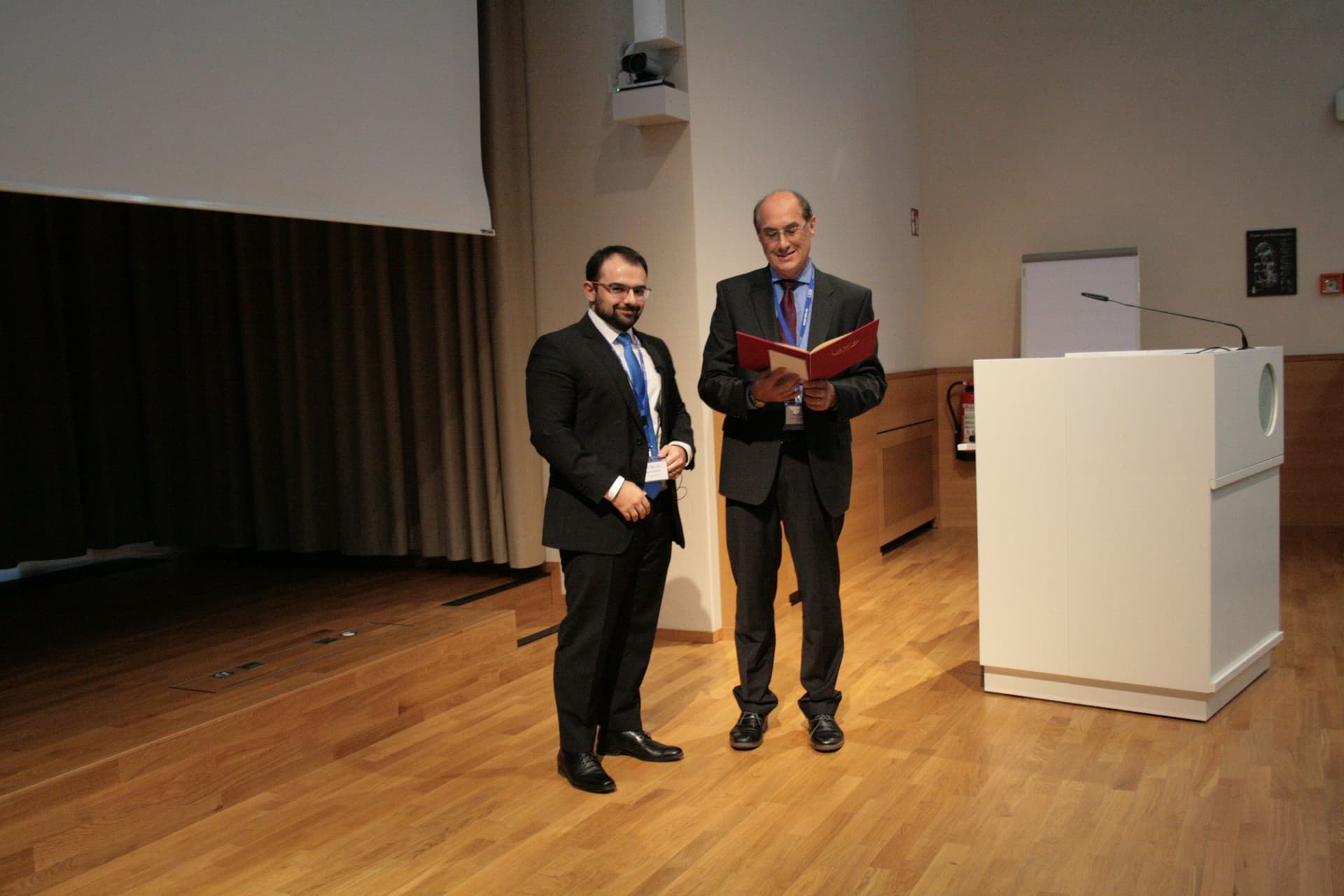
The Young Scientist Award Biochemistry 2018 of the Division of Biochemistry of the German Chemical Society was awarded to Ms Dr Doreen Könning and Mr Dr Schara Safarian during the international conference "8th Peptide Engineering Meeting" (PEM 8) in Berlin on 9 November 2018.
Dr. Doreen Könning was awarded the Young Scientist Award Biochemistry 2018 of the Division of Biochemistry of the German Chemical Society.In her doctoral thesis "Engineered shark antibody domains for biotechnological and biomedical applications" , Ms Dr. Könning conducted pioneering research at the interface of biochemistry, pharmaceutical research and immunobiology. It has developed processes for generating customised antibodies that open up new possibilities in drug production, medical diagnostics and cancer therapy. In particular, her research approach significantly simplifies the isolation of binding molecules for diagnostic applications and also creates the basis for new therapeutic approaches in personalised immunotherapy.
In his PhD "Structure of a bd oxidase indicates similar mechanisms for membrane-integrated oxygen reductases" , Mr Dr Safarian carried out pioneering research at the interface between biochemistry and structural biology. His work on the crystallisation and structural elucidation of a microbial cytochrome bd oxidase provides new insights into its structure and function. This protein complex is of fundamental importance in bioenergetics and plays an important role in the pathogenicity of bacterial pathogens. With his work, Dr Safarian has created an essential knowledge base for the structure-based development of active substances for the treatment of bacterial infections.
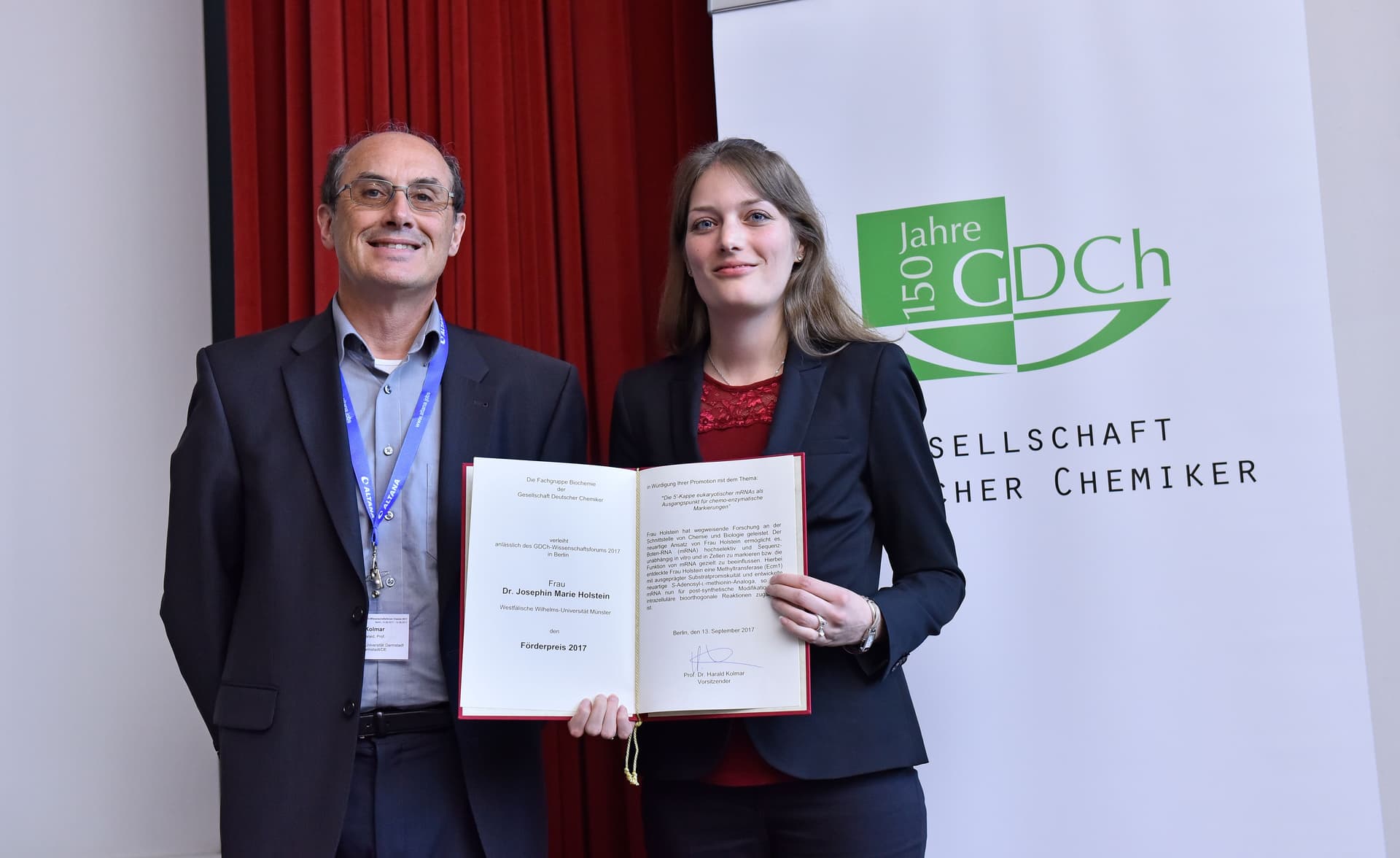
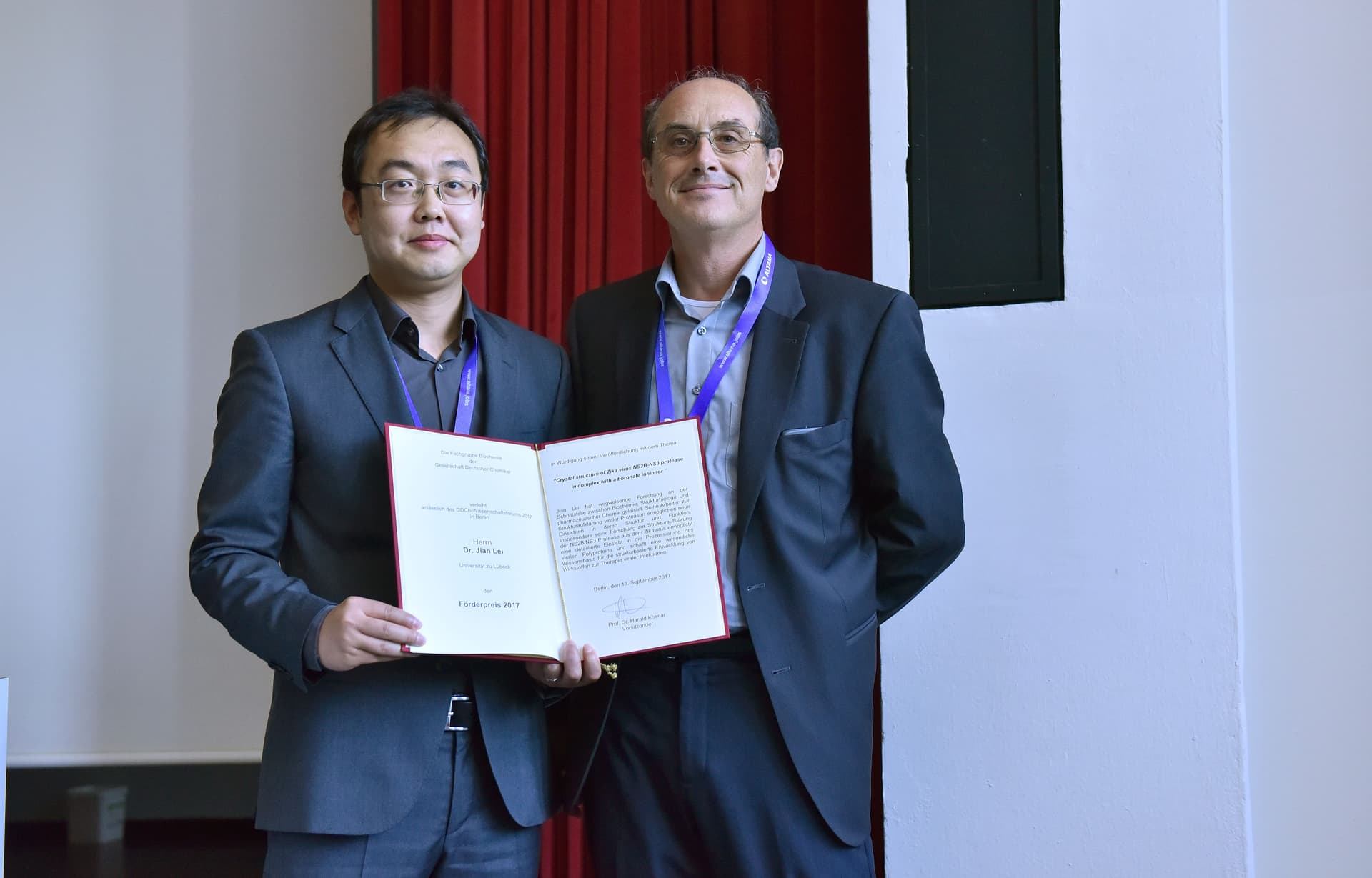
The 2017 Young Scientist Award Biochemistry of the Division of Biochemistry of the German Chemical Society was awarded to Dr Josephin Marie Holstein and Dr Jian Lei at the GDCh Science Forum
on 13 September 2017 in Berlin.
Mrs Dr Holstein has in her doctorate "The 5'-cap of eukaryotic mRNAs as a starting point for chemo-enzymatic labelling" performed groundbreaking research at the interface of chemistry and biology. Ms Holstein's novel approach makes it possible to label messenger RNA (mRNA) highly selectively and sequence-independently in vitro and in cells and to specifically influence the function of mRNA. Here, Ms Holstein discovered a methyltransferase (Ecm1) with pronounced substrate promiscuity and developed novel S-adenosyl-L-methionine analogues, so that mRNA is now accessible for post-synthetic modification and intracellular bioorthogonal reactions.
Jian Lei performed pioneering research at the interface between biochemistry, structural biology and pharmaceutical chemistry with his publication on the topic: "Crystal structure of Zika virus NS2B-NS3 protease in complex with a boronate inhibitor" . His work on the structural elucidation of viral proteases provides new insights into their structure and function. In particular, his research on the structural elucidation of the NS2B/NS3 protease from the Zika virus provides a detailed insight into the processing of the viral polyprotein and creates an essential knowledge base for the structure-based development of active substances for the treatment of viral infections.
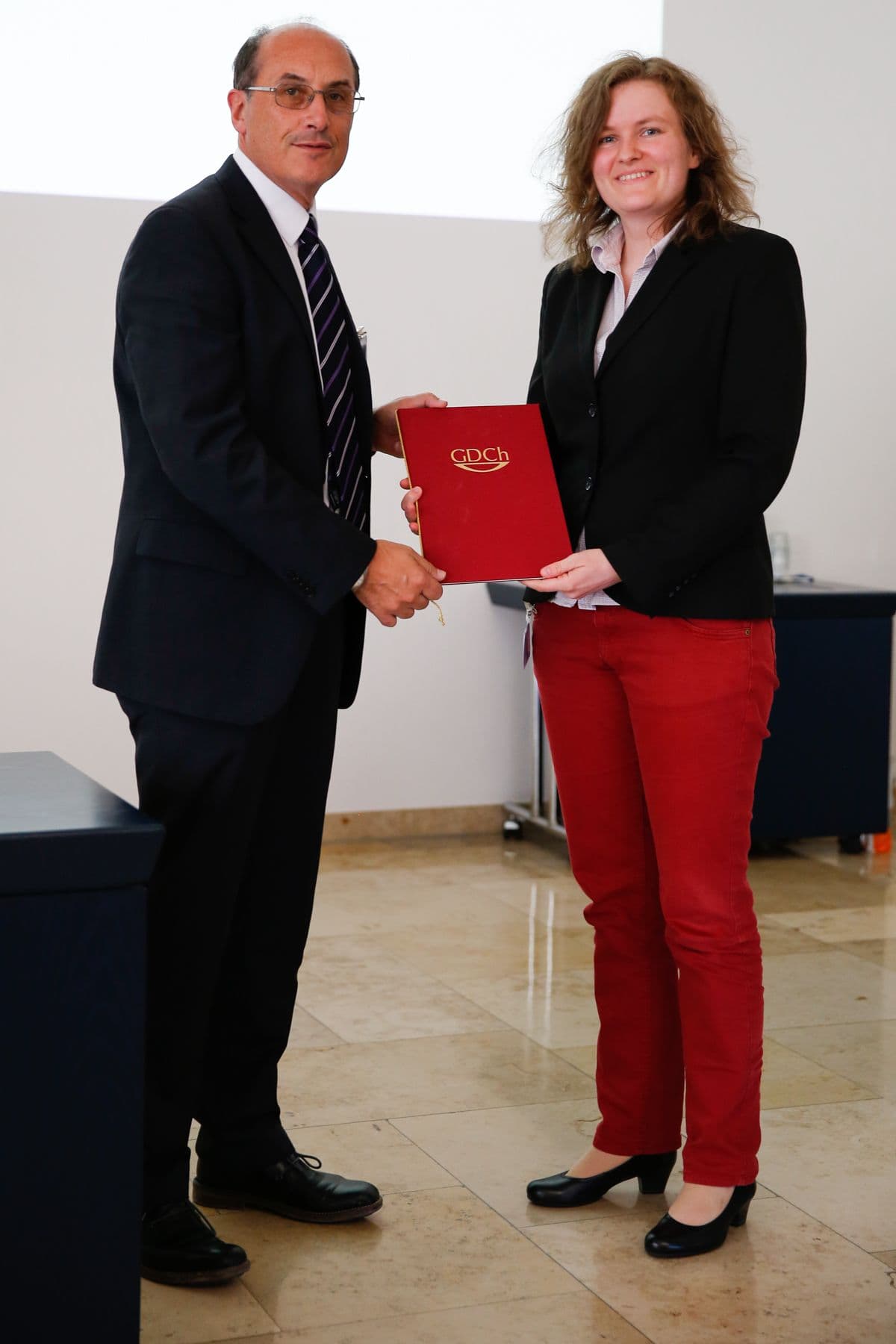
The 2016 Young Scientist Award Biochemistry of the Division of Biochemistry of the German Chemical Society was awarded to Dr Marie-Luise Winz in recognition of her doctorate on the topic of "Biological, chemical and computational investigations on RNA function and modification" at the "Shaping the Molecules of Life" Conference on 7 July 2016.
Marie-Luise Winz has achieved groundbreaking research at the interface of biology, chemistry and computer science.
Marie-Luise Winz has carried out groundbreaking research at the interface between biology, chemistry and computer science. Her work on the isolation and sequence analysis of chemically modified ribonucleic acids from biological sources led to the discovery of coenzyme-capped regulatory RNAs in bacteria. Ms Winz also gained fundamental insights into the course of in vitro evolution experiments and developed new methods for labelling nucleic acids.
| Year | Name | Institute | Excellent work |
| 2024 | Dr. Davide Tamborrini | Max Planck Institute of Molecular Physiology, Dortmund | Dissertation |
| Dr. Minh Nguyen Trung | Leibniz-Forschungsinstitut für Molekulare Pharmakologie, Berlin | Dissertation | |
| 2023 | Dr. Wout Oosterheert | Max Planck Institute of Molecular Physiology, Dortmund | Publication |
| Dr. Jan Felber | Ludwig-Maximilians-Universität in München | Dissertation | |
| 2022 | Dr Goran Kokic | Max Planck Institute for Biophysical Chemistry, Göttingen | Publication |
| Dr. Sabrina Pospich | Max Planck Institute of Molecular Physiology, Dortmund | Dissertation | |
| 2021 | Dr Linlin Zhang | University of Lübeck | Publication |
| Dr. Mohammad Ghaem Maghami | Julius-Maximilians-Universität Würzburg | Dissertation | |
| 2020 | Maximilian Fottner | Technische Universität München | Publication |
| Dr. Marc-André Kasper | Leibniz-Forschungsinstitut für Molekulare Pharmakologie, Berlin | Dissertation | |
| 2019 | Dr. Andreas Blees | University of Frankfurt | Publication |
| Dr Dennis Quentin | MPI of Molecular Physiology, Dortmund | Dissertation | |
| Dr. Karolin Wellner | University of Leipzig | Dissertation | |
| 2018 | Dr. Doreen Könning | TU Darmstadt | Dissertation |
| Dr. Schara Safarian | MPI Frankfurt | Dissertation | |
| 2017 | Dr. Josephin Holstein | University of Münster | Dissertation |
| Dr. Jian Lei | University of Lübeck | Publication | |
| 2016 | Dr Marie-Luise Winz | University of Heidelberg | Dissertation |